Written by Jose Romero
When Maximilian Schulze graduated from the Associate Degree Program at Lee Strasberg Theatre & Film Institute in Los Angeles, he knew the transition into the professional world would be difficult—but he didn’t expect it to feel so isolating. “There were days I was just sitting at home thinking, what am I doing?” he admitted. Because of visa restrictions, Max couldn’t take on other work outside of acting. His days often became a cycle of gym visits, self-taping, and trying to figure out his next move. “Training at home isn’t the same as being surrounded by creatives. You feed off each other in that space—and I missed that.”
Facing Challenges as an International Actor
Early on, the main goal was simple: get representation. His first agency wasn’t the right fit, but a few months later, another came along. Soon after, his new manager landed him an HBO gig. Still, half of his OPT year—or Optional Practical Training, which allows international students on F-1 visas to work in the U.S. for a limited time after graduating—had vanished during the SAG-AFTRA strike, leaving him feeling like the clock had run out before things could fully take off. “If you’re an actor, it’s already tough,” he said, “but if you’re an international actor in the U.S., it’s twenty times harder. You might book the job, but you still need the paperwork.”
That reality eventually led Max back to Germany, where he’s now signed with an agency that works internationally. The European market offers plenty of productions, though he notes that Germany’s tax incentives don’t make it as attractive for filmmakers. “There’s so much shooting in Europe—except Germany. It’s going to take time.” Even so, he’s not in a rush to compare his path to others: “If you compare yourself to that American actress who doesn’t have to go through half the things you do, it’ll steal your joy. Comparison really is the thief of joy.”
From HBO to Historical Drama
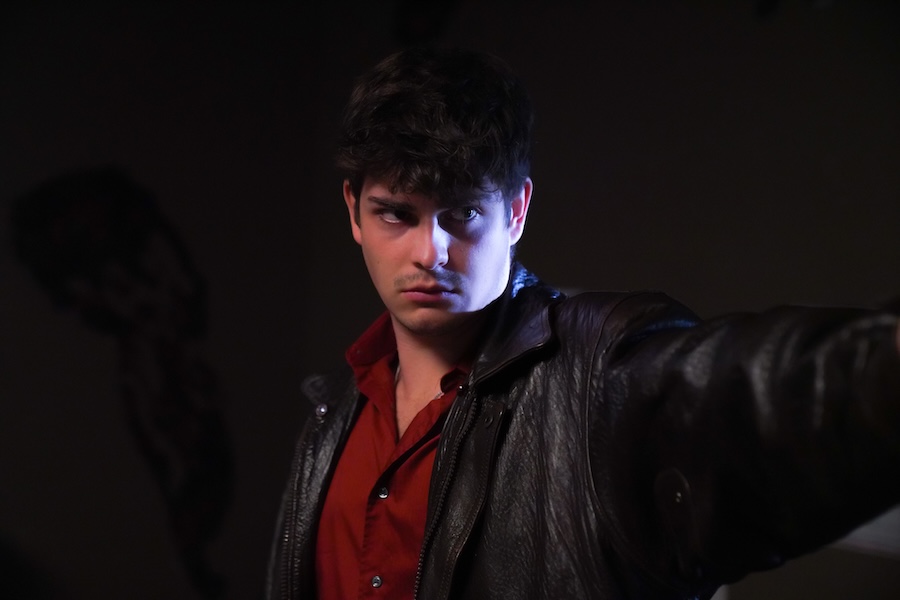
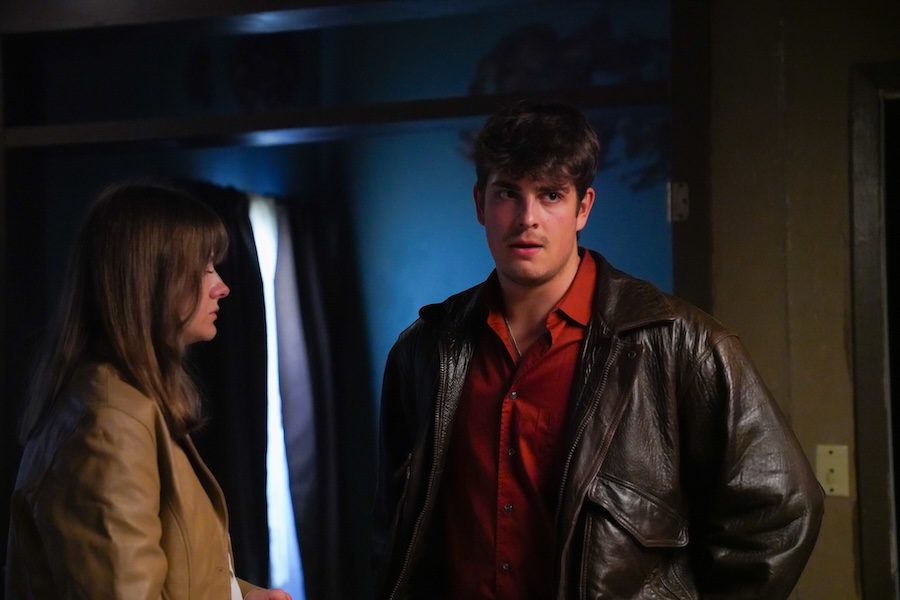
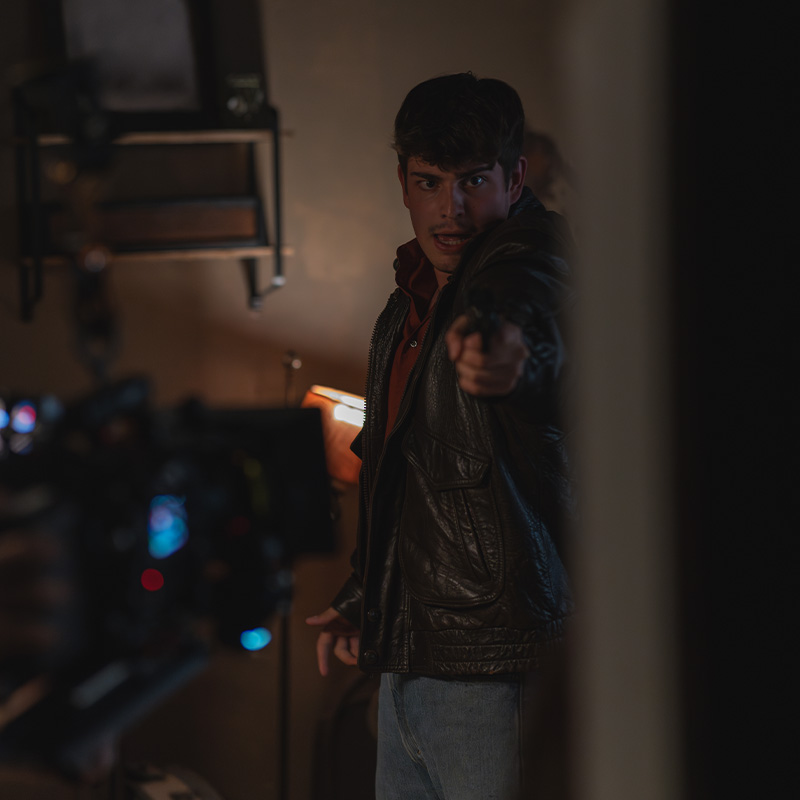
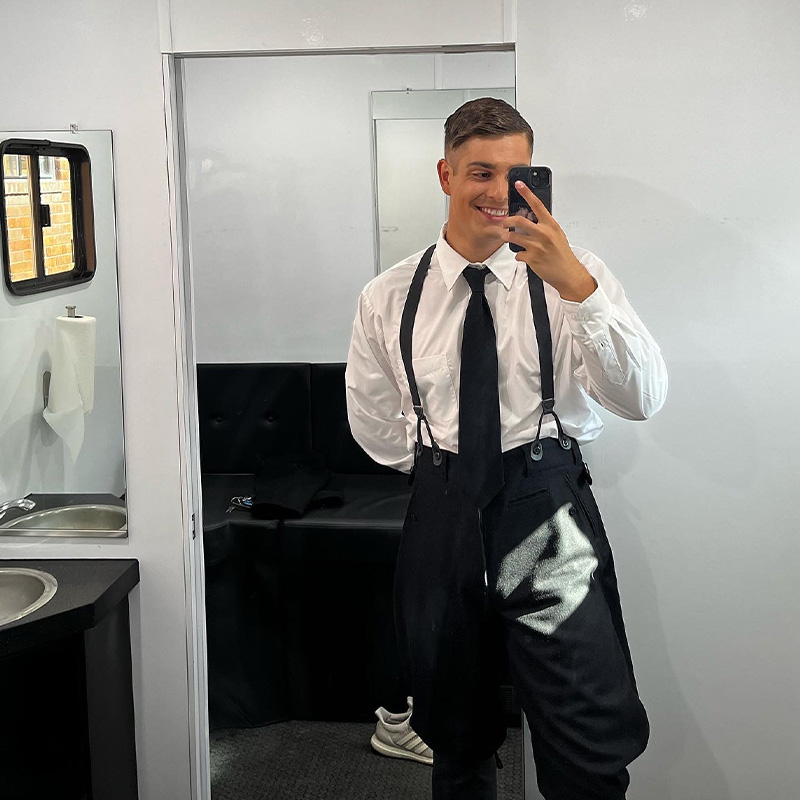
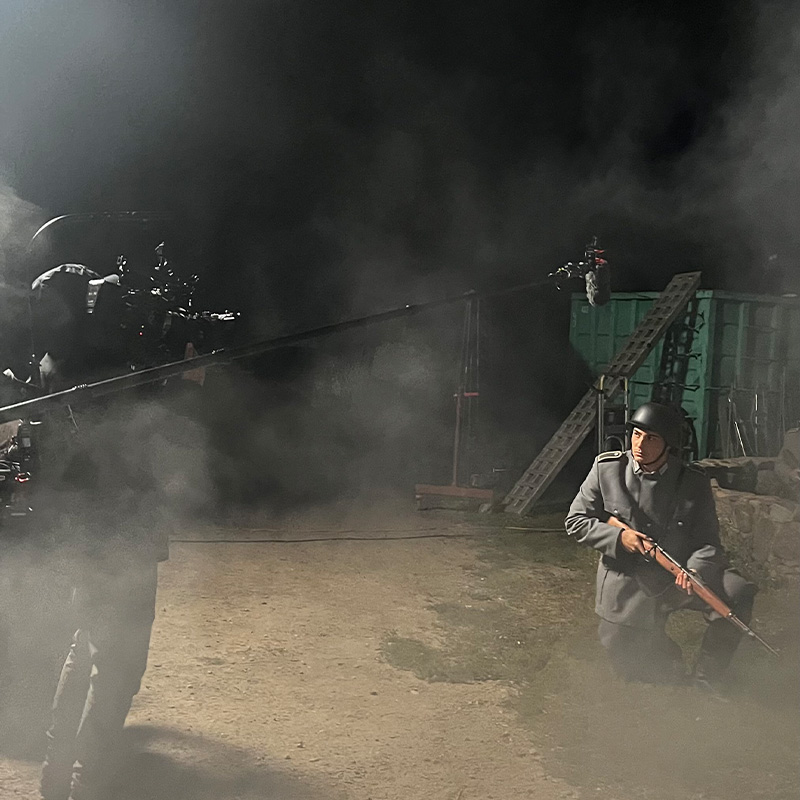
Max’s latest credits span from Nathan Fielder’s The Rehearsal to the historical action feature 24 Hours to D-Day. On The Rehearsal, he originally auditioned for a different role but was told he was too young. Ultimately, he was reassigned to play a German commanding officer. “It was such a secretive, surreal experience,” he laughed. In 24 Hours to D-Day, he played a German soldier who, in his words, was “a good-hearted guy who fell for propaganda and ended up on the wrong side.” He dug into the country’s deep-rooted military tradition and the societal pressures that led people to enlist after WWI. “That research lets you find the part of yourself that connects to the character,” he explained.
Villains, in particular, fascinate Max. “They’re not too far from heroes—somewhere along the path, they just took a wrong turn. You have to find where that happened, make them human.” His time at Strasberg, especially Sasha Krane’s script analysis class, sharpened that instinct. “Sometimes it’s a physical thing that clicks—a heavy leather jacket, push-ups before a scene, walking a certain way. You learn what sensory triggers bring you into the role.”
Looking Ahead
Smaller, more intimate sets remain Max’s favorite environment. “You get more artistic freedom. If I could do this for the rest of my life, I’d die a happy man.” For now, he’s back in Germany, patiently rebuilding momentum, training his instrument, and waiting for the industry to pick back up. “At the end of my OPT year, I was on a high. Then I had to start from scratch. But I’m not giving up. If you don’t quit, if you stay persistent, you’ll get back at it.”
One piece of advice Max leaves to his fellow artists—particularly international students—is not to compare yourself. Everyone has their own journey and path, so don’t let comparison distract you from the joy of the present.
Keep up with Max: