Written by Giulia Abbondanza
“You are now embarking on a journey of self-discovery. This work is about getting to know yourself completely and being open and in touch with yourself.” This is what we were told by our Method Acting instructor in week one of The Lee Strasberg Theatre & Film Institute’s Associate Degree Program—and goodness, how right he was.
Why is it easier to see growth in others than it is in than yourself?
As graduation approaches, I feel immense pride watching my classmates and reflecting on how far each of them has come. What I never expected, however, was being able to feel that same pride about myself. Looking back over these past two years, I can see the progress I have made in all aspects of my life, from my acting technique to a greater confidence and understanding of who I am.
At the end of the day, we are here to train as actors. David Lee Strasberg says, as his father did in the legacy tapes we are fortunate enough to have access to: “The basic thing in acting is sensitivity and response. The Method is how we train for that.” Method Acting is about understanding and experiencing life, not imitating it. Ultimately, we are training for the ability as actors to live through the reality of an imaginary circumstance on stage or in front of a camera.
That training begins in Year One.
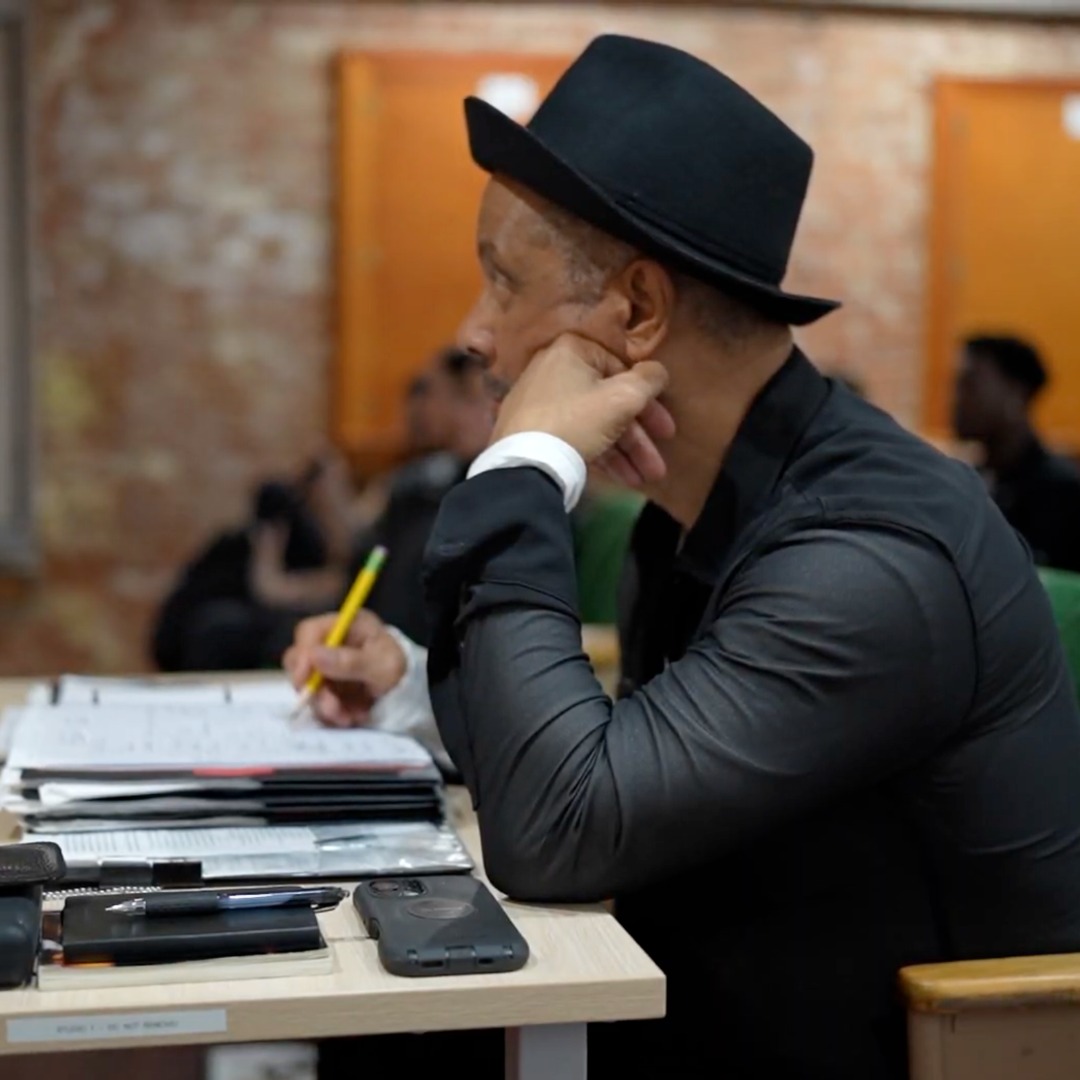
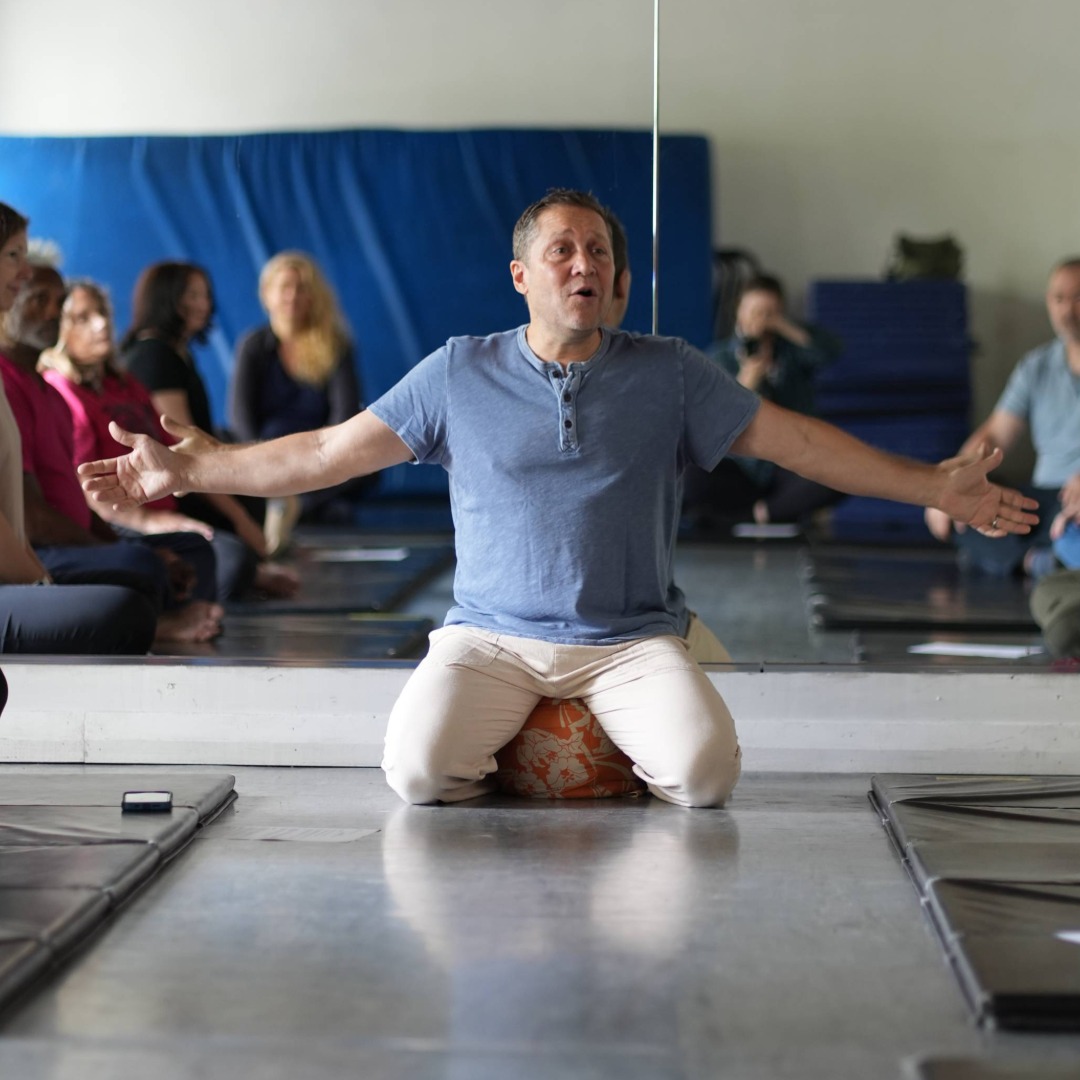
Our Method Acting classes, led by Actors Studio members Dig Wayne and Jennifer Lassalette, introduced us to the tools Lee Strasberg developed to train sensitivity and concentration. Through relaxation exercises, we learned how to get in touch with our instrument—our body—and allow curiosity and creativity to guide our work.
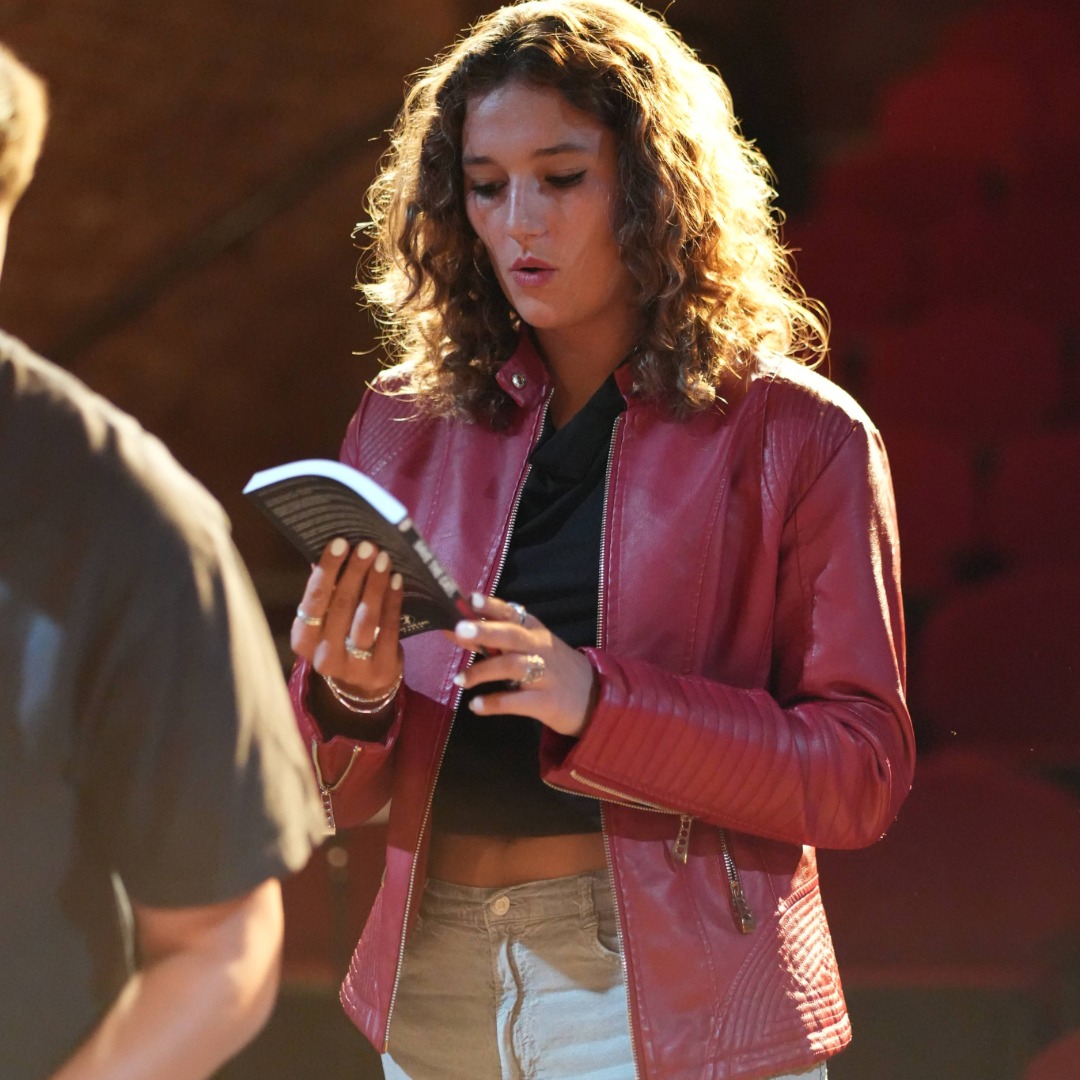
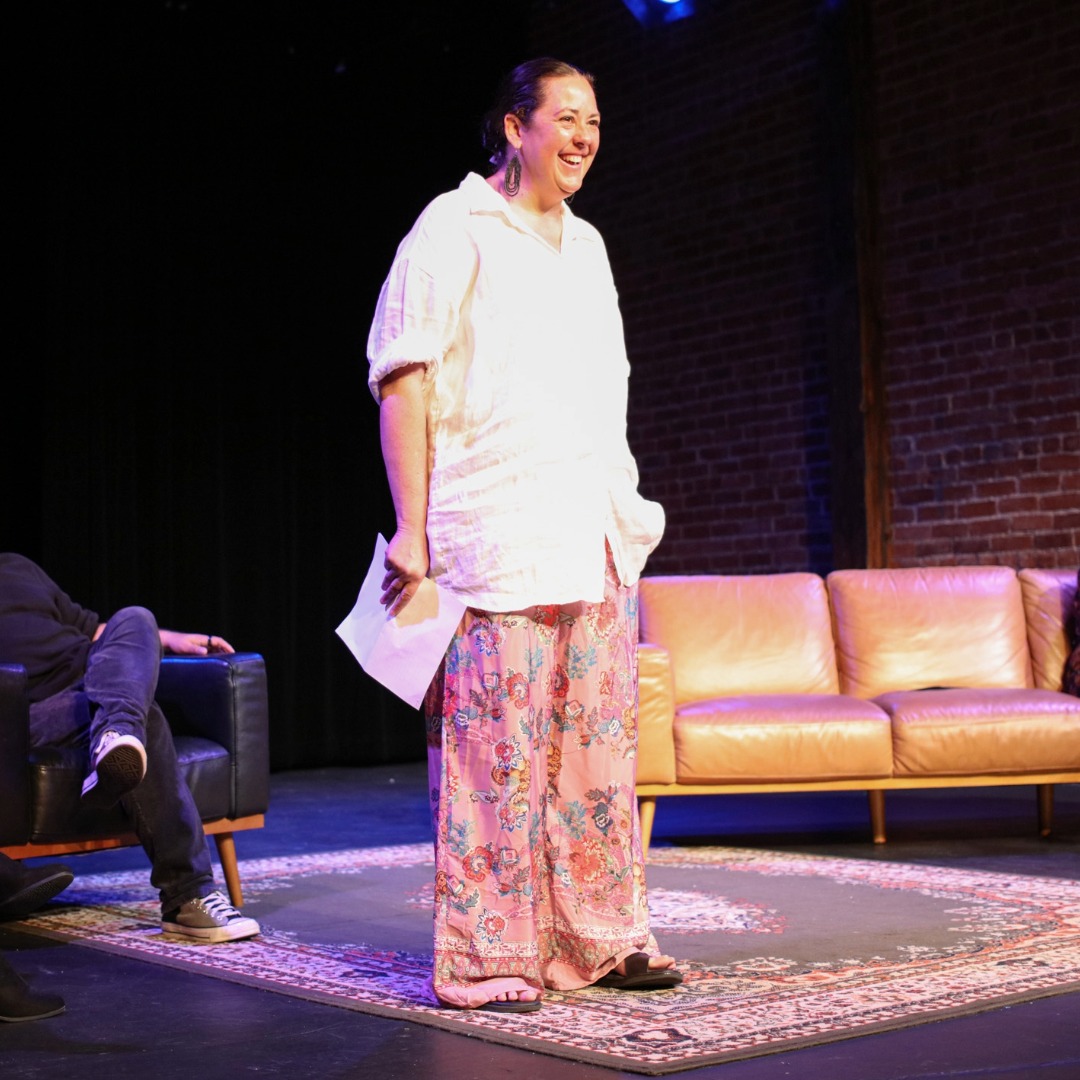
At the same time, classes such as Improvisation and Scene Study with LSTFI alumna Jennifer Elia gave us opportunities to apply these tools in performance. We were encouraged to explore freely, take risks, and discover new aspects of ourselves as artists.
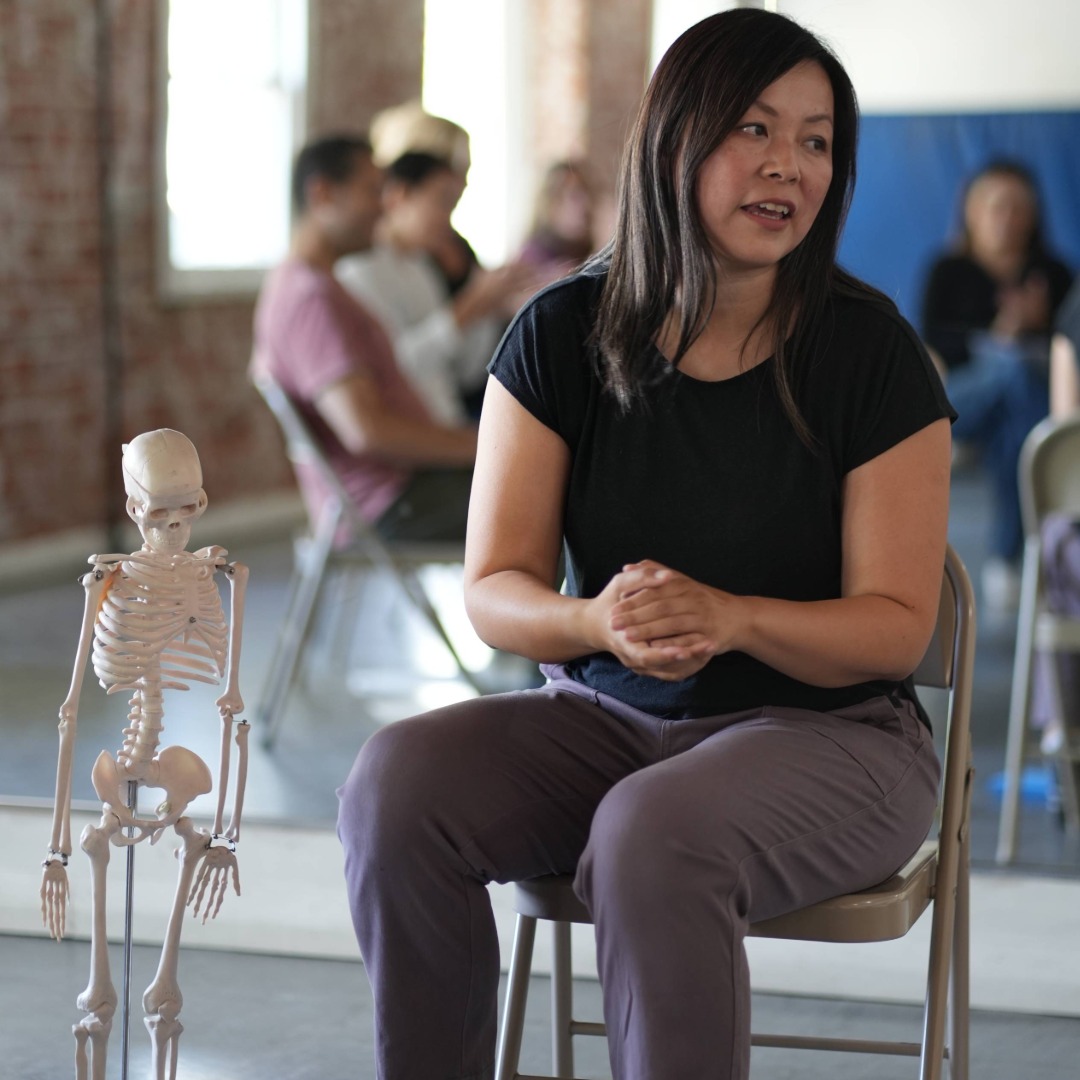
Voice training with the passionate and highly acclaimed Michael Yurchak introduced us to Fitzmaurice Voicework, where we combined vocal technique with sensory exercises and Method principles. Movement classes with Leah Zhang, utilizing the Alexander Technique, taught us how to use our bodies more efficiently and identify subconscious habits we had carried throughout our lives.
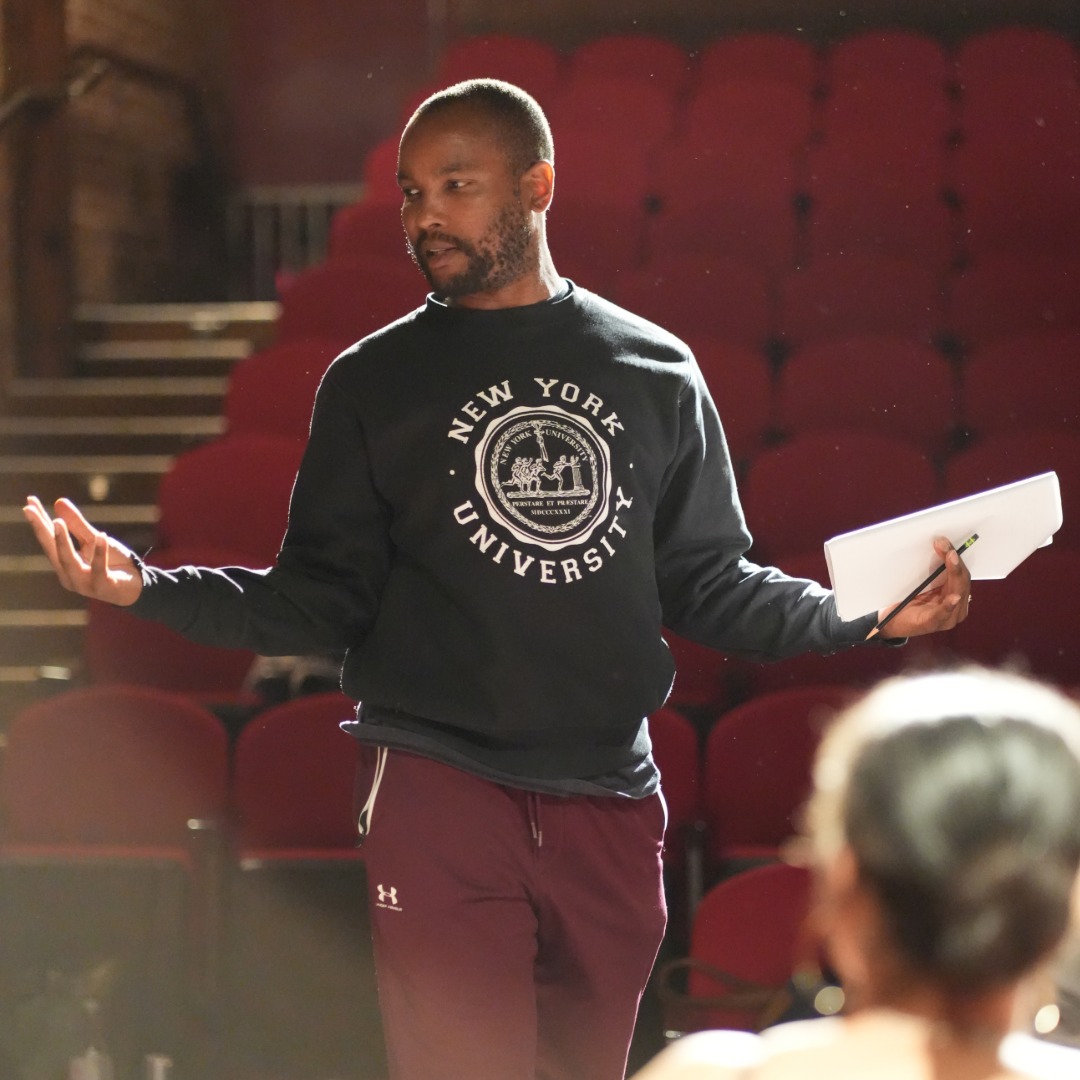
Script Analysis provided a deep dive into professional-level text work. Under the guidance of our dynamic instructor Alani Ilongwe, we learned how to break down scripts, bring characters to life, and integrate Method training into every step of the process. Alani challenged us constantly, pushing us toward his famous “Level 10s” and helping many of us achieve breakthroughs that still impact our work today.
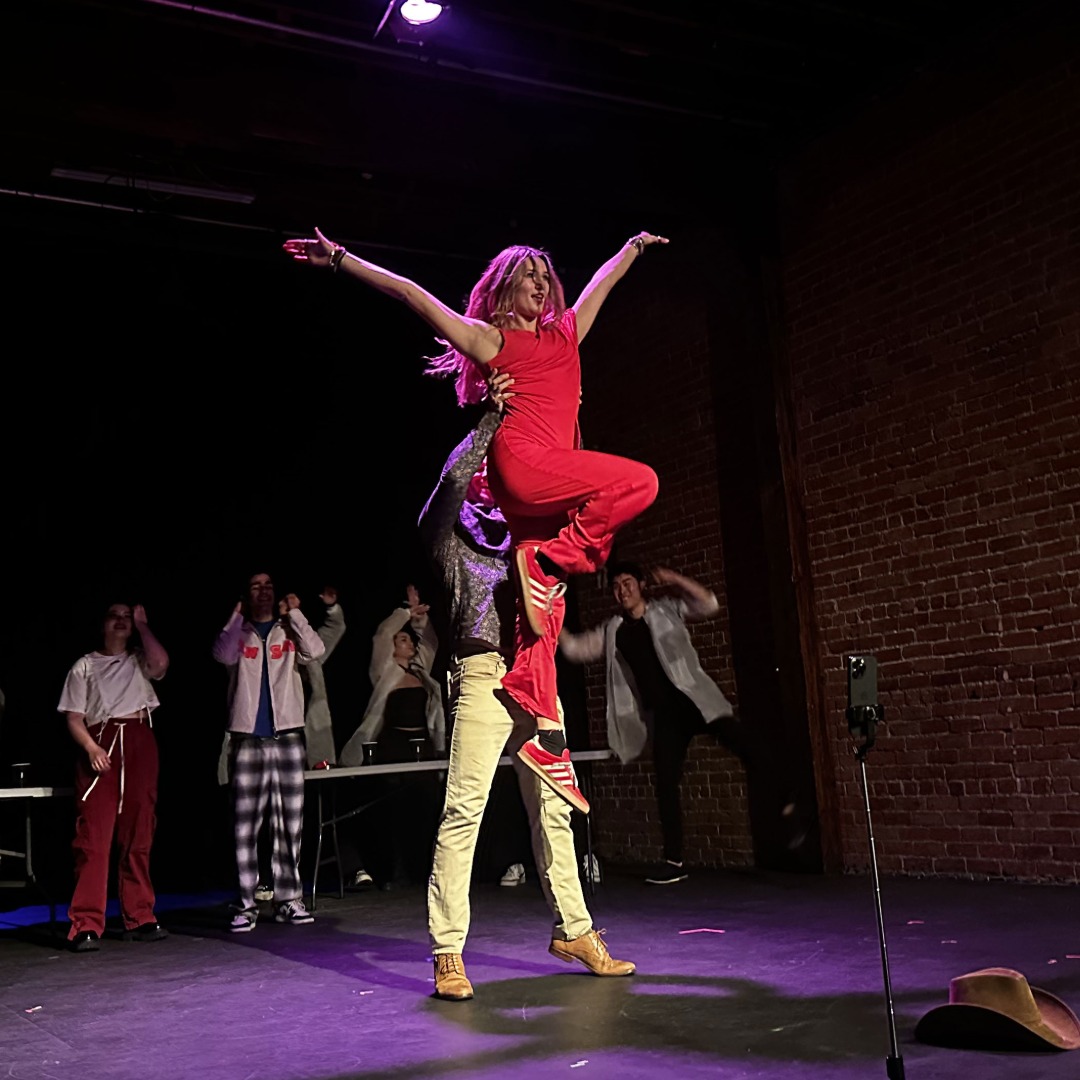
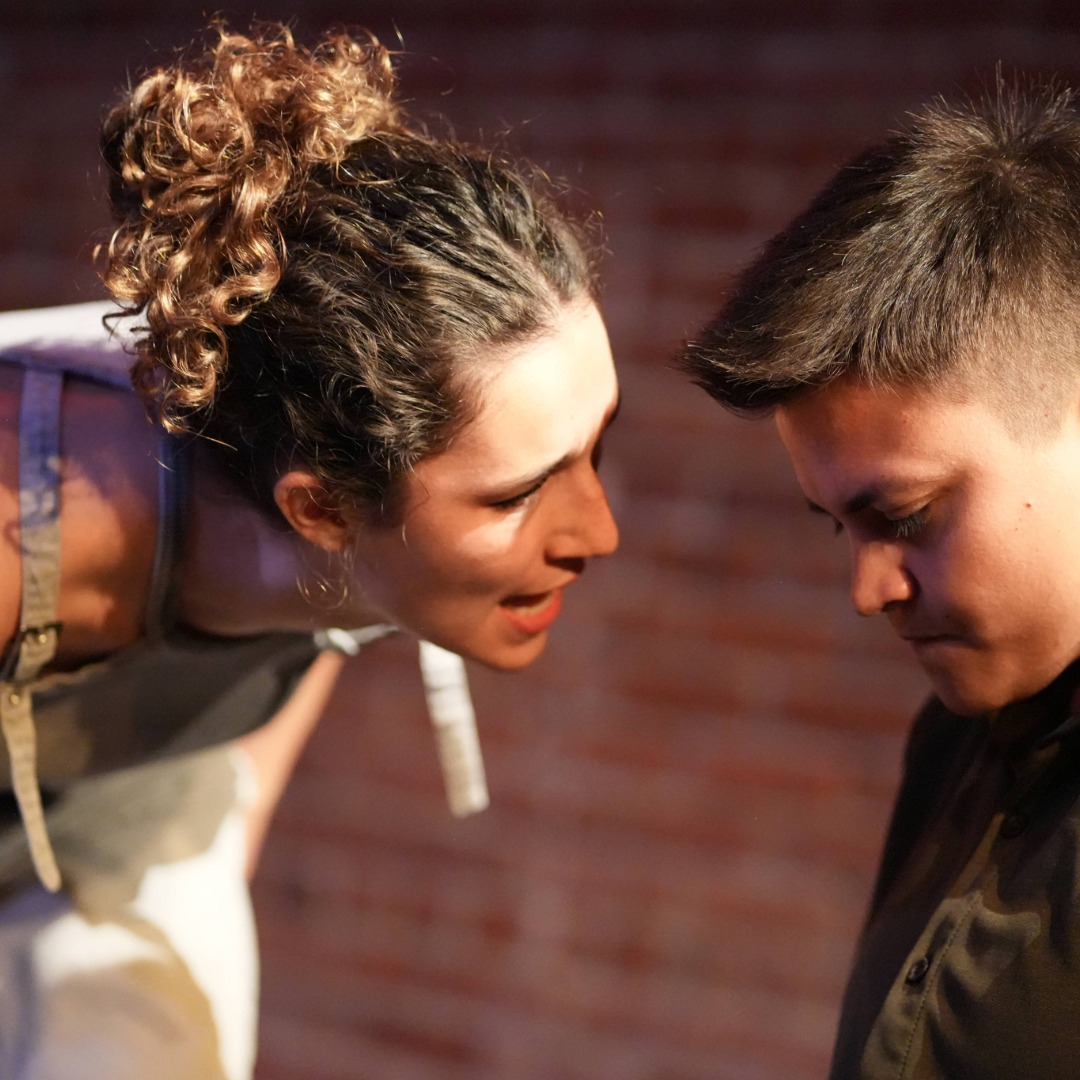
The final term of Year One introduced us to theatre production. We learned what it takes to mount a play and then had the opportunity to do it ourselves. Working with short stories by Dorothy Parker, we created and produced our own theatrical piece, The Parker Hotel. We took full responsibility for pre-production and collaboration while being guided by producer Carlos Colunga and director Tyee Tilghman. It was our first opportunity to combine everything we had learned and share it with a public audience.
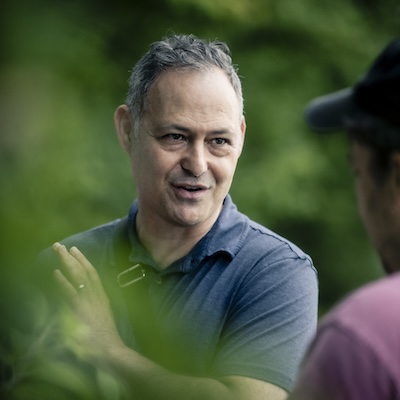
Year Two has been an entirely different beast.
With the foundational tools already established, the focus in Year Two shifted toward refining our individual processes and taking ownership of our training. As David Lee Strasberg tells us, it became about “putting ourselves on the hook.”
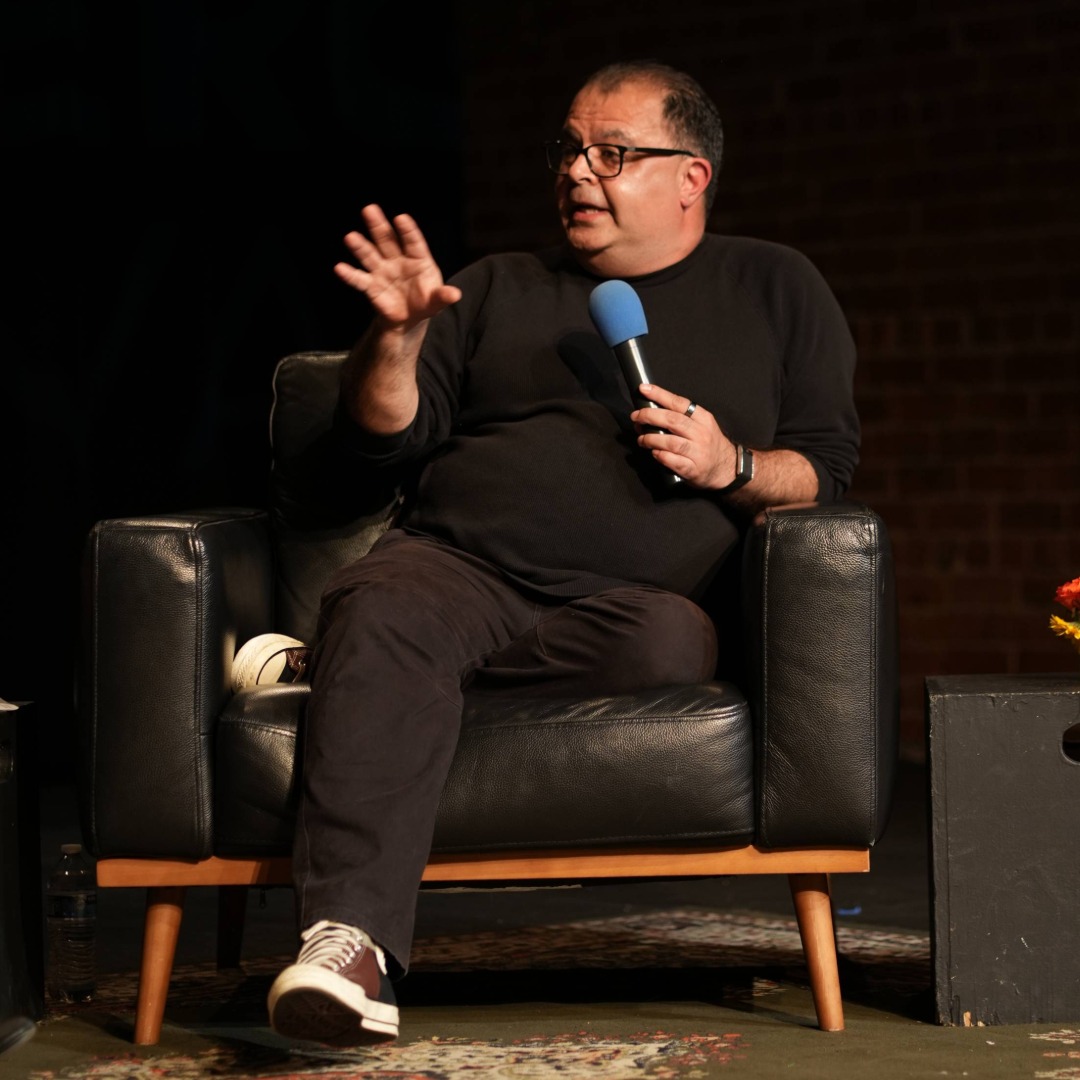
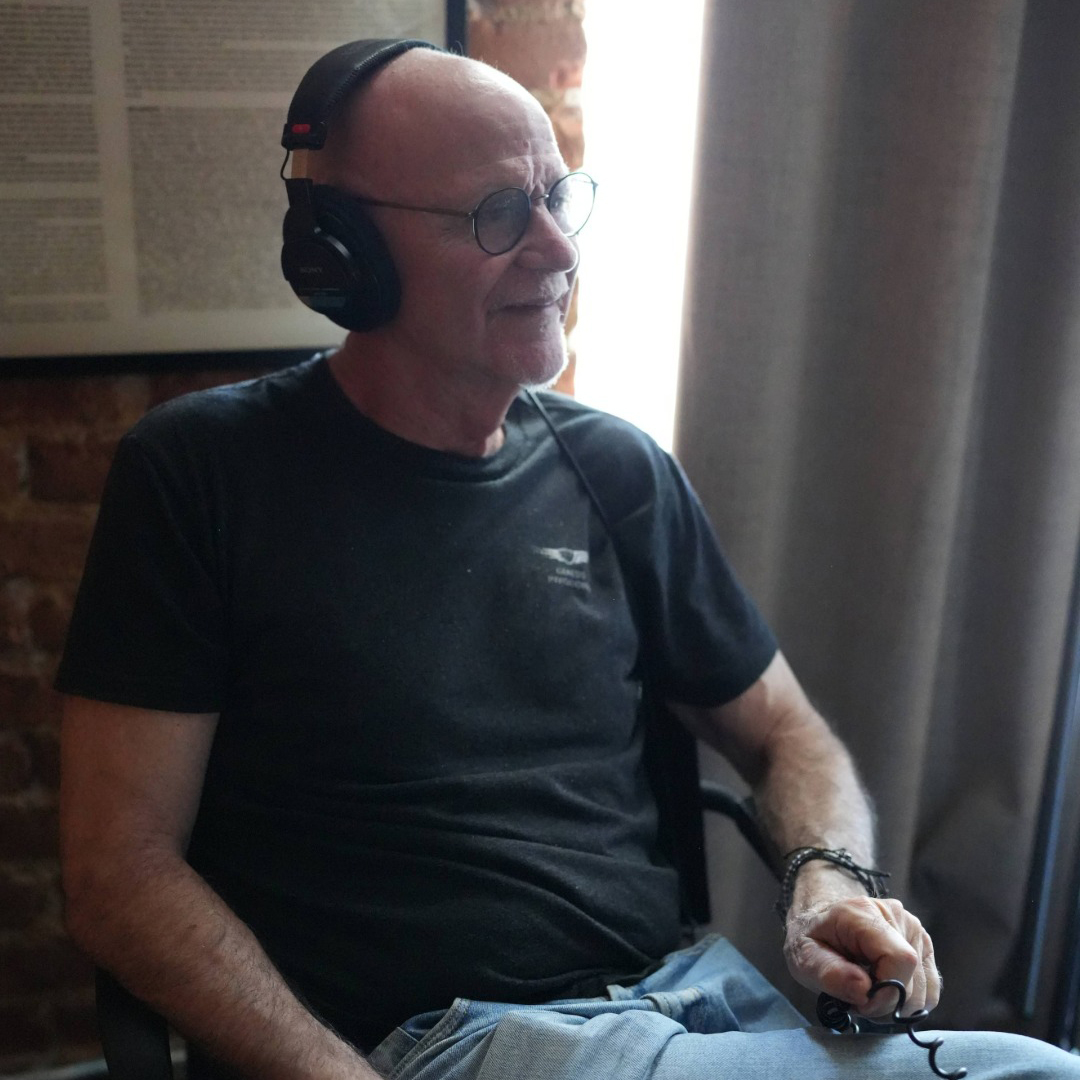
This year, our Method classes have been led by the unanimously adored Carlos Colunga, a Strasberg alumnus whose openness and unconditional support have encouraged us to make the work our own. Alongside him, David Lee Strasberg has guided us through Method Acting, Advanced Sensory Applications, and Craft to Career courses.
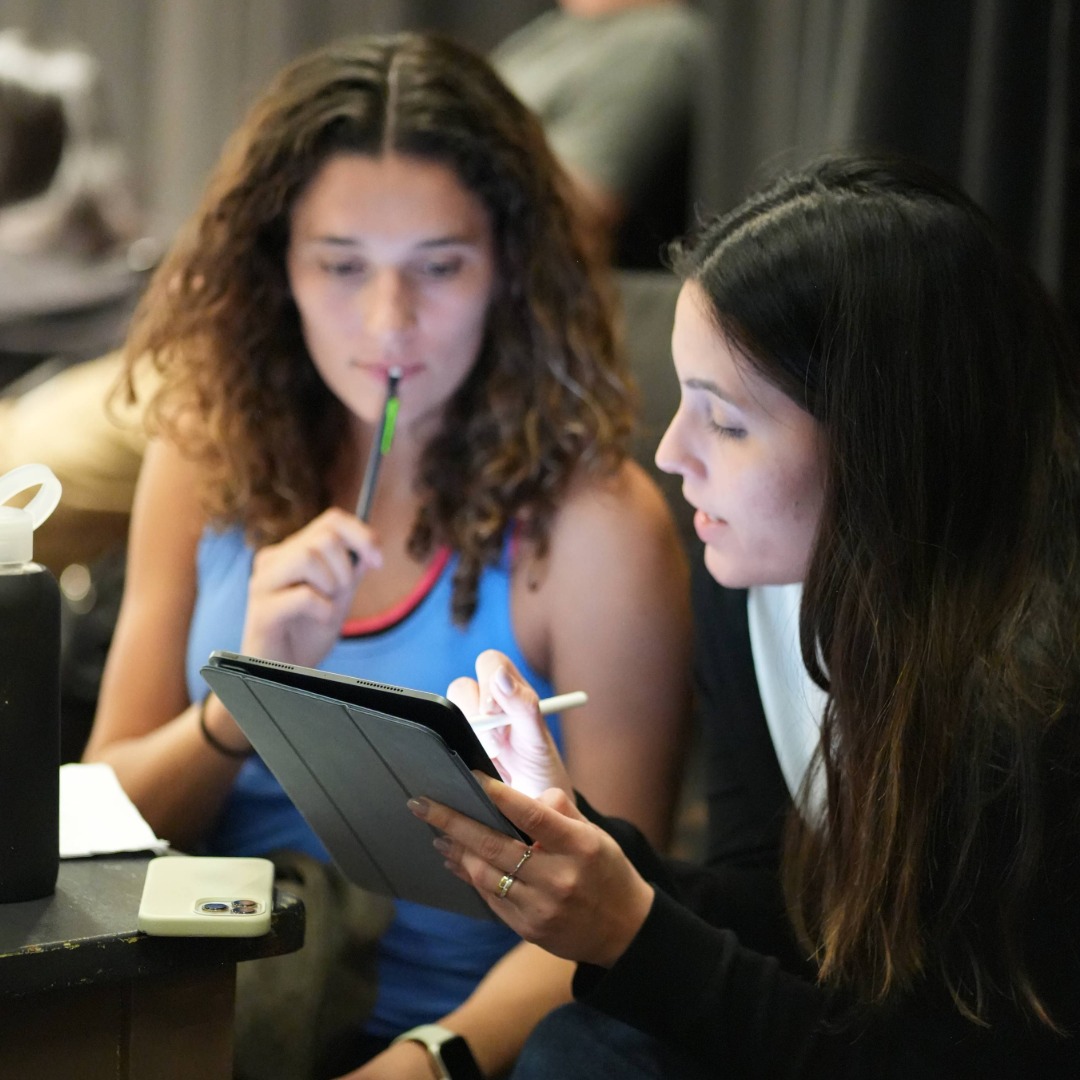
In Advanced Sensory Applications, we analyze and refine our personal process, discovering what works best for each of us. In Craft to Career, we focus on the transition from training into the professional world—learning how to understand our strengths, define our artistic identity, and take ownership of our careers.
Carlos also led us through the Lee Strasberg Legacy Tapes, giving us the extraordinary opportunity to watch classes and lectures from Lee Strasberg himself. Seeing the work directly from the source helped demystify The Method and deepen our understanding of the training.
Year Two also introduced us to Animal Work with Alani Ilongwe, opening entirely new pathways of creativity and character exploration. Meanwhile, Sheldon Larry and Isabella Uzcàtegui introduced us to directing through Actors Directing Actors and Directed Scenes, giving us valuable insight into the actor-director relationship from both perspectives.
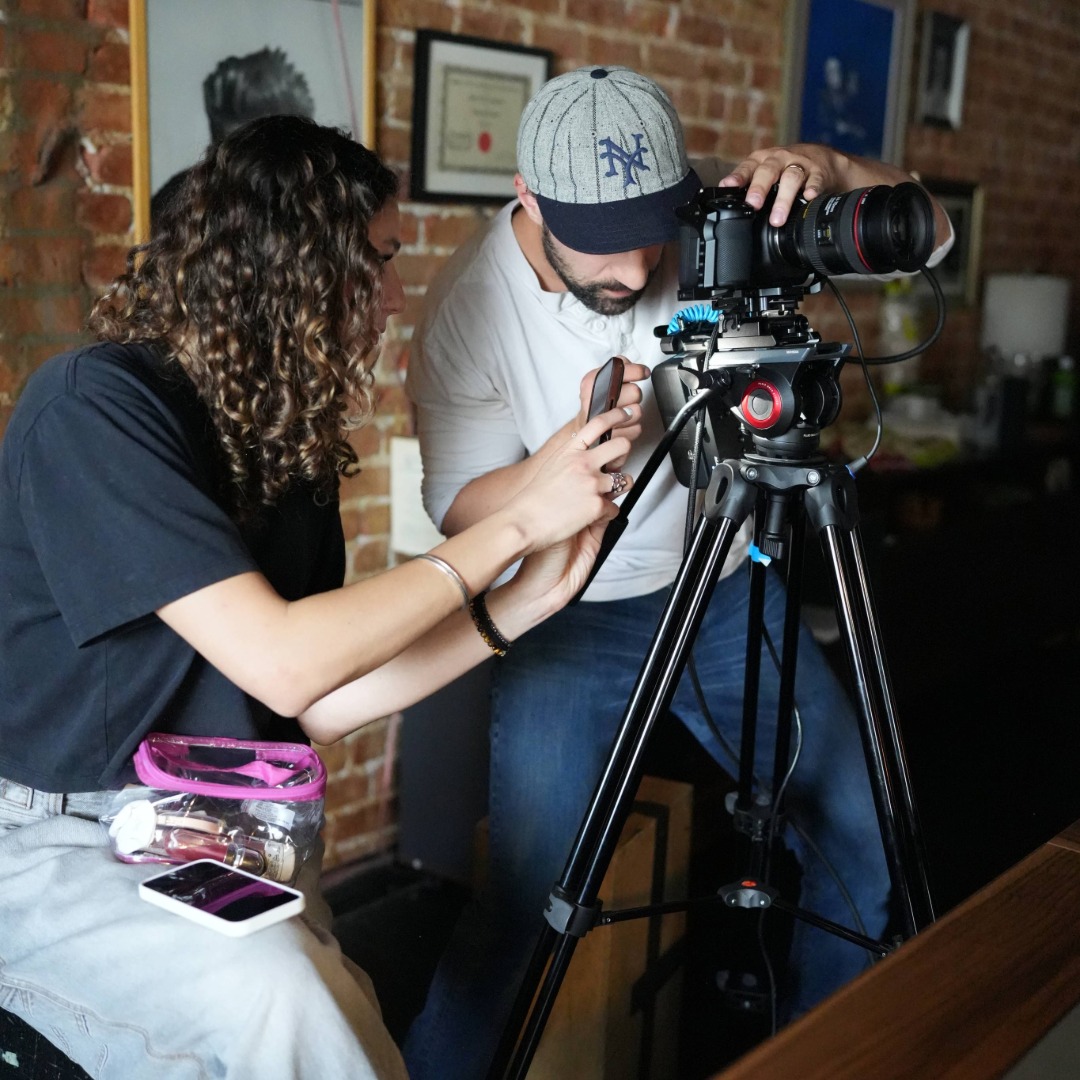
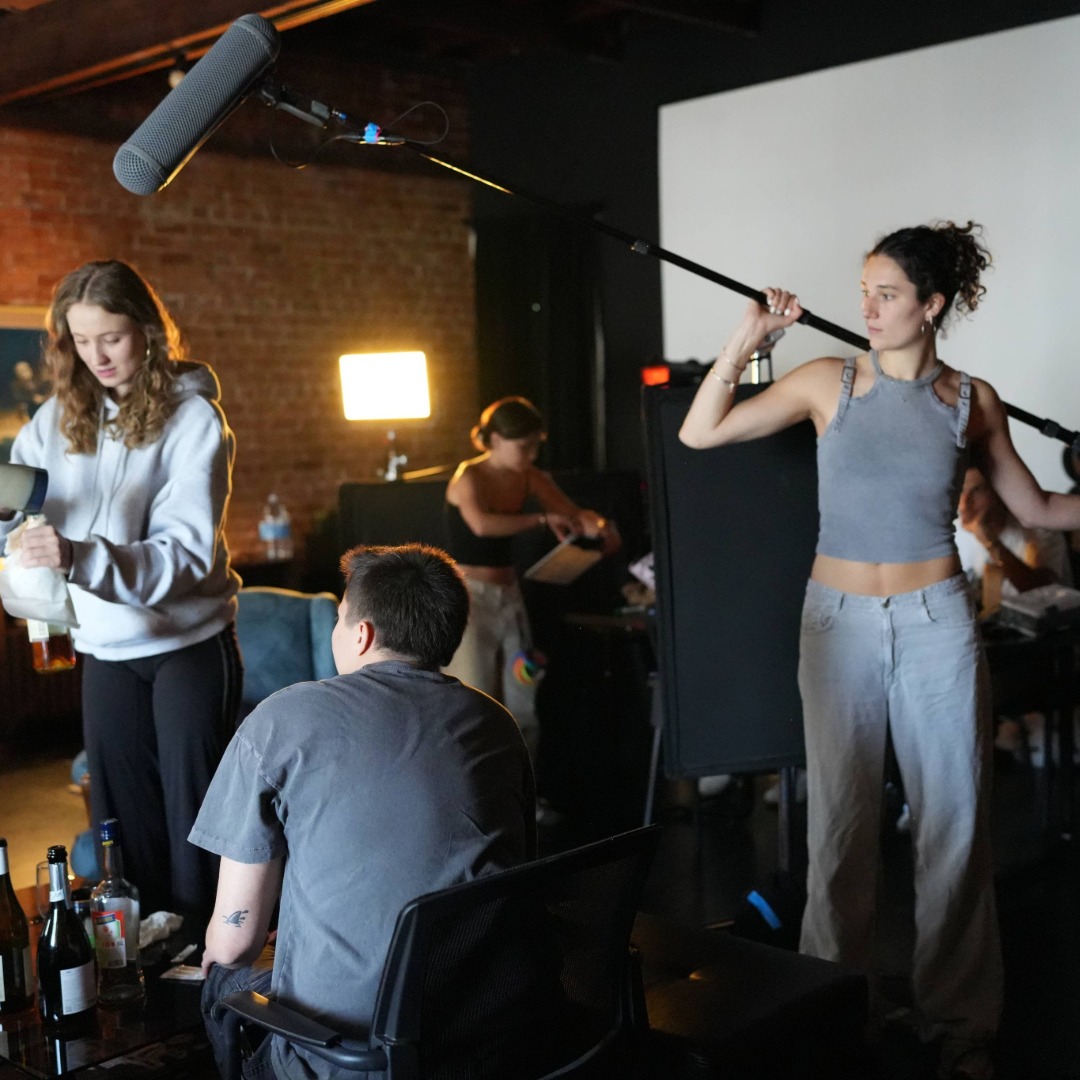
Our Film Production classes expanded that learning even further. We explored the practical realities of producing a film and each took on production roles, gaining firsthand experience of how a set functions. Many students, myself included, have since gone on to work as assistant directors and producers on outside projects because of the confidence and knowledge gained through these classes.
Now, under Sheldon Larry’s direction, we are filming scenes for our reels. Later this term, Isabella Uzcàtegui will direct our final reel production project, culminating in professionally produced scenes that will be showcased at our graduation in August, but more importantly will be a scene we can add to our reels to use on professional casting databases moving forward.
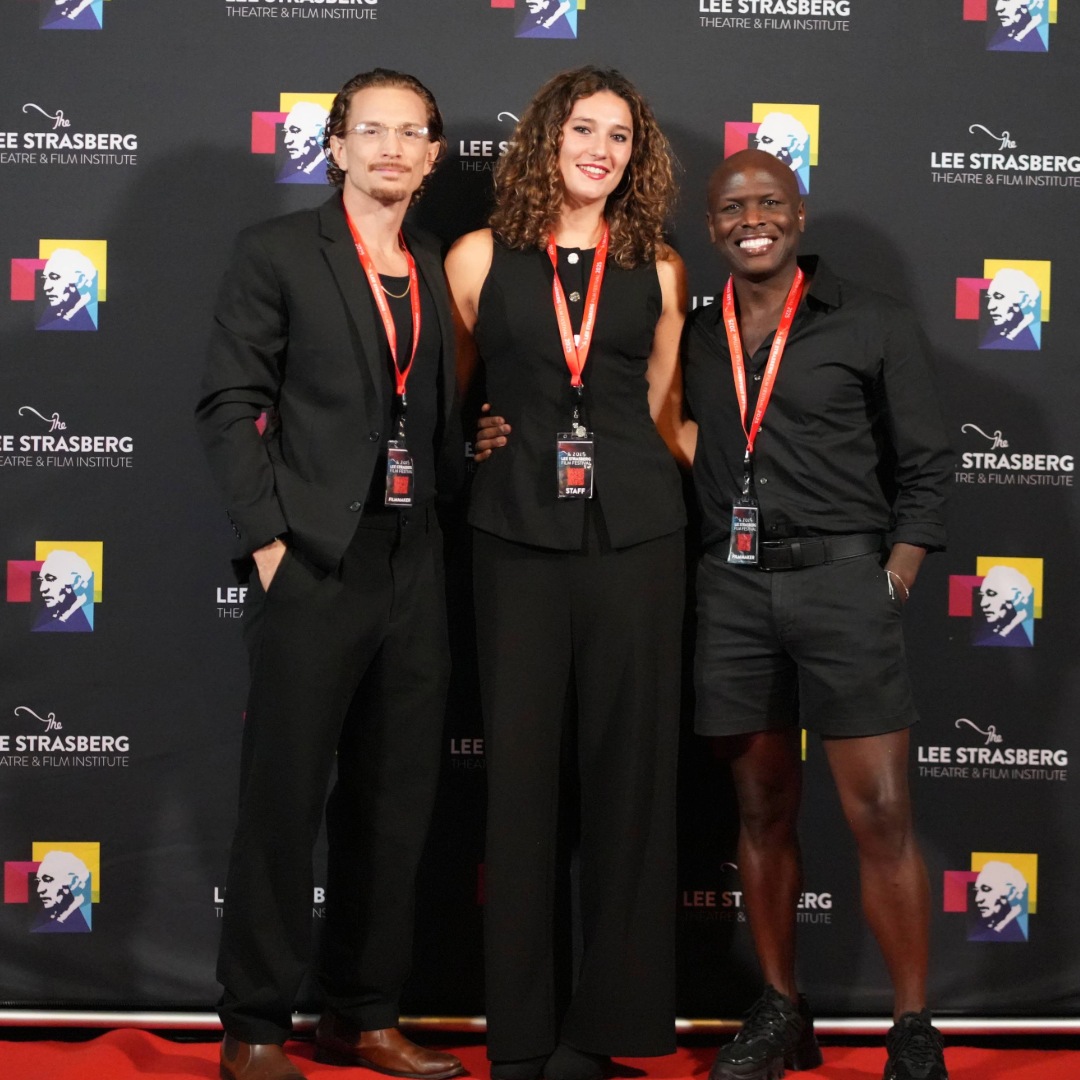
Connections to the industry beyond the classroom.
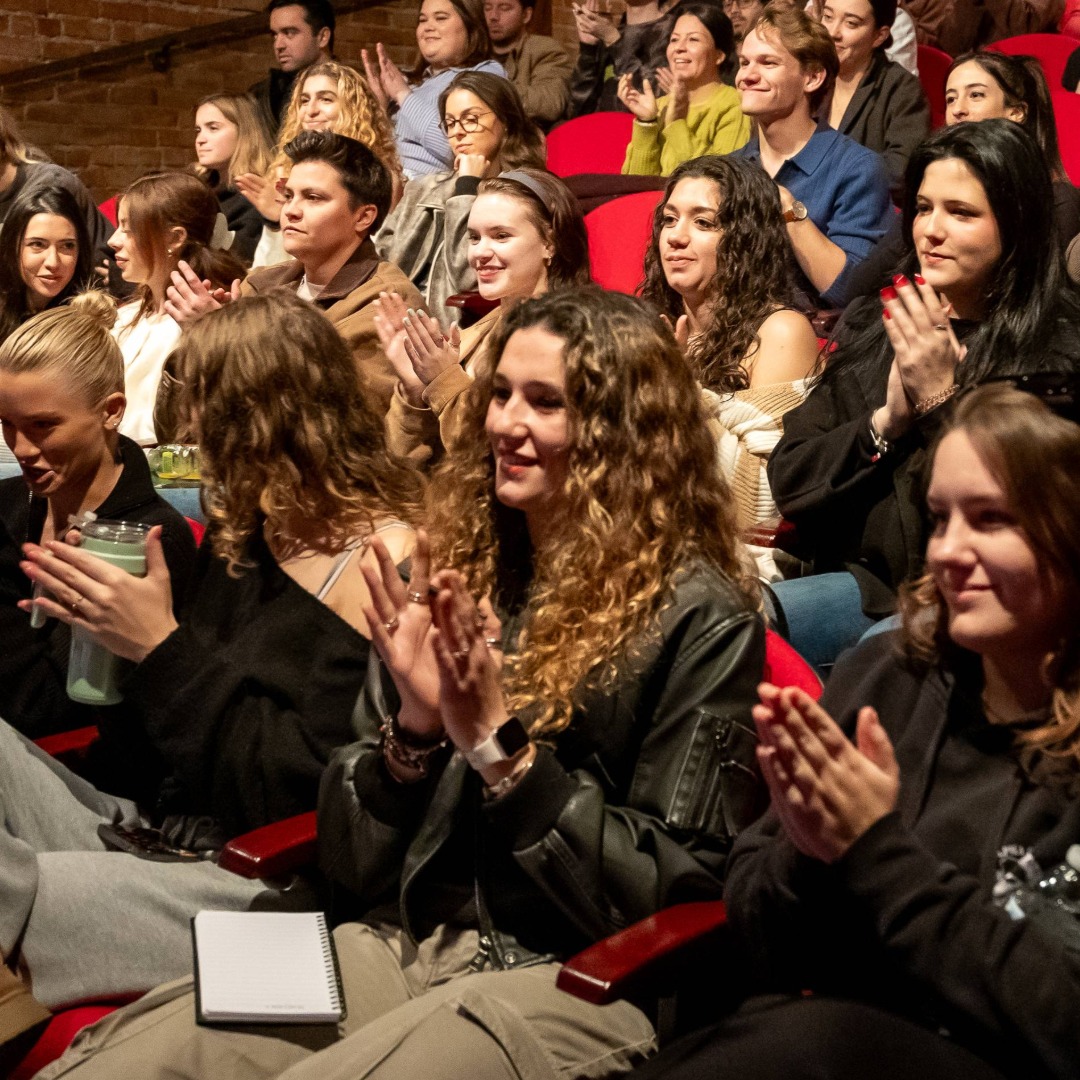
There have been countless opportunities to bridge the gap between training and the industry. Our incredibly resourceful Head of Talent Dana Theodoratos, regularly hosts StrasbergTALKS, bringing in guests from across the entertainment industry. These conversations have included casting directors such as Sony’s Dawn Steinberg and acclaimed actress Yael Grobglas, best known for her role as Petra Solano on Jane the Virgin. Students are encouraged to attend, participate in Q&As, and engage directly with working professionals.
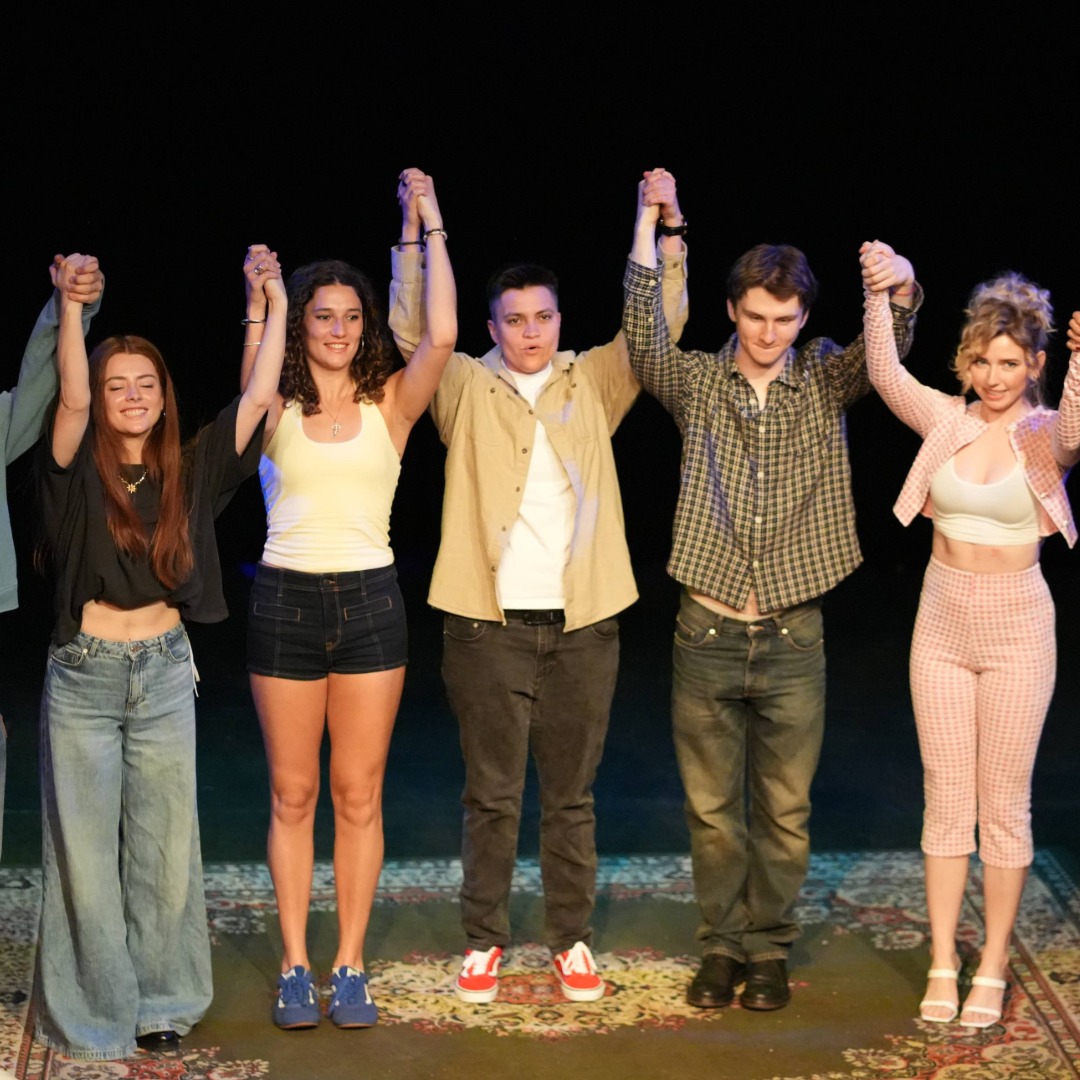
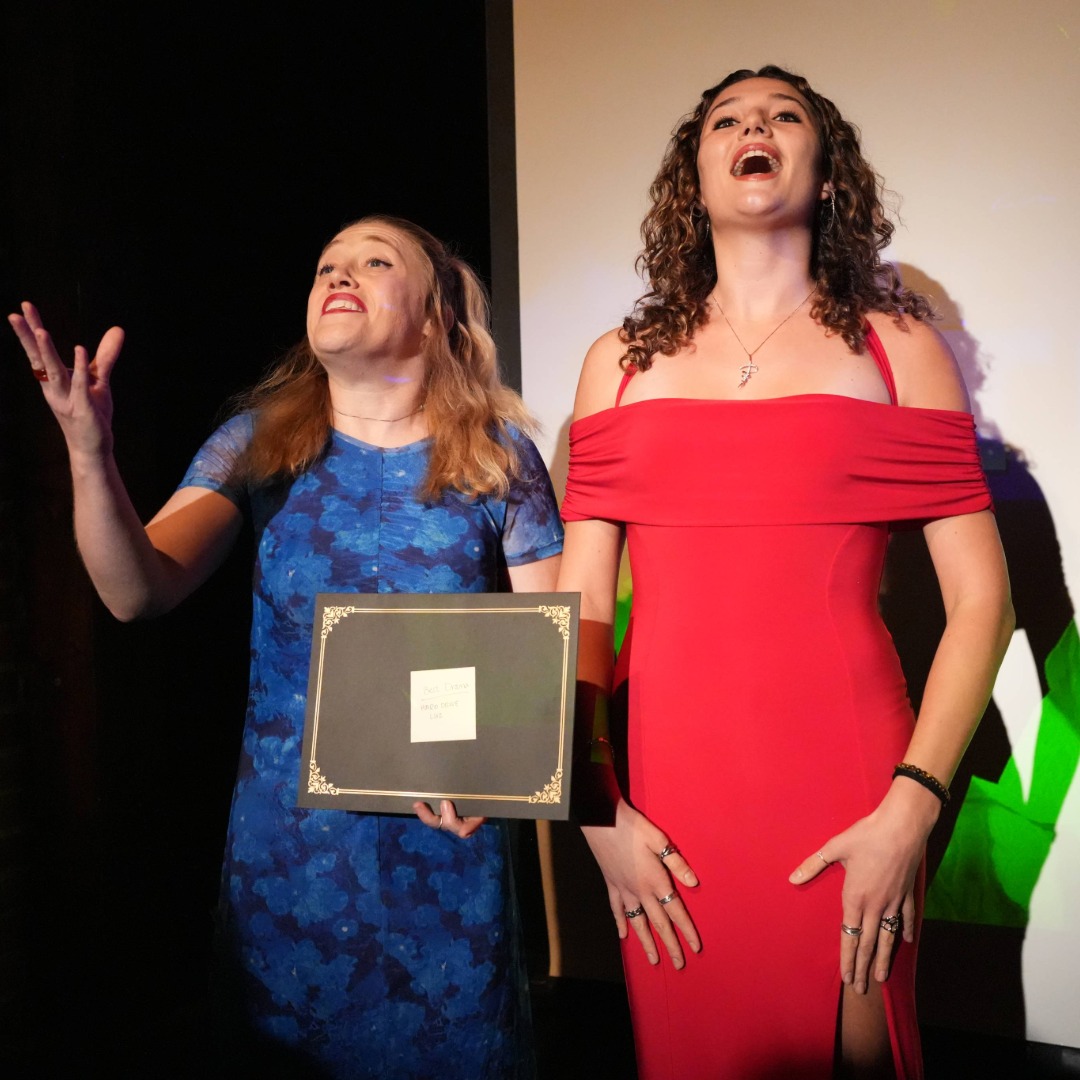
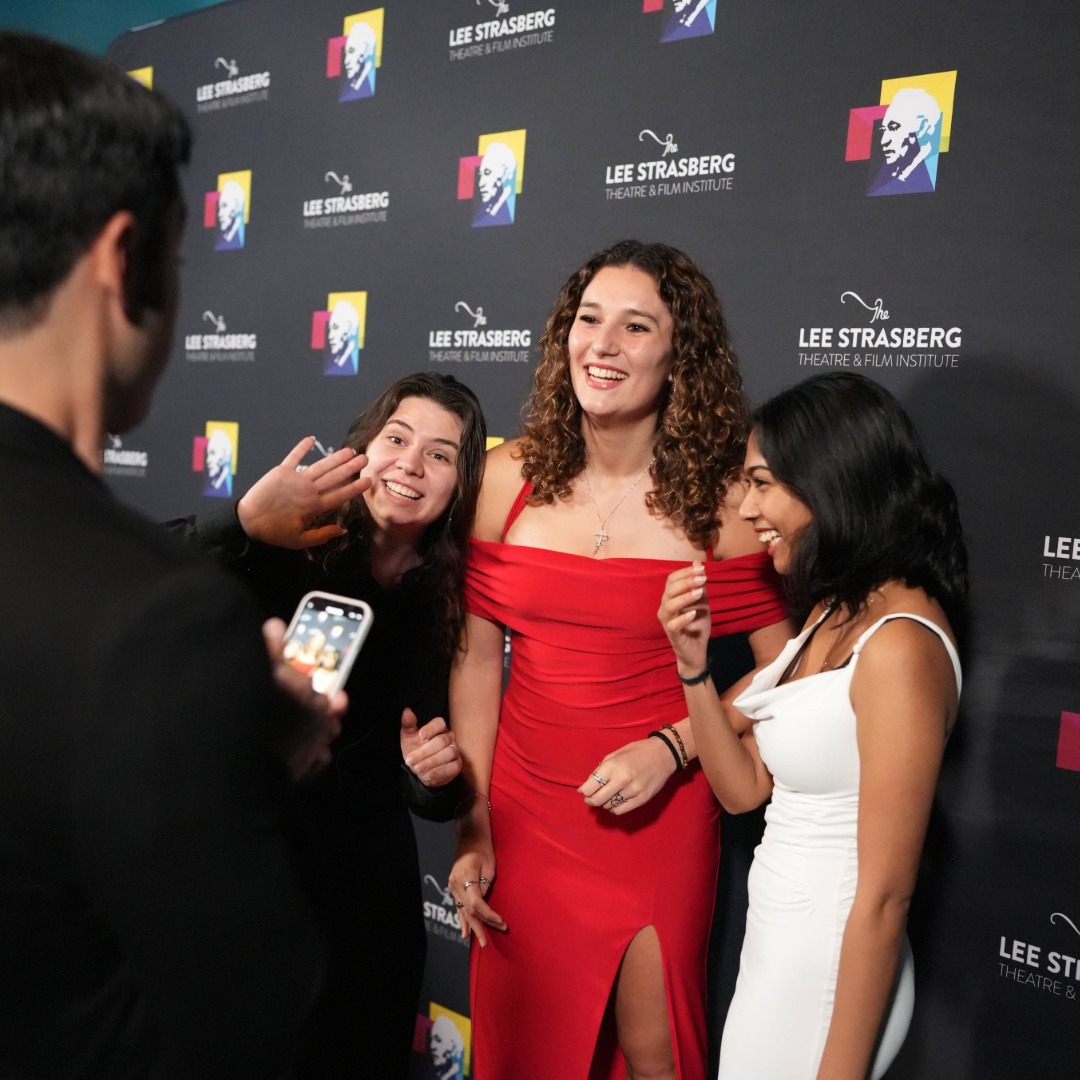
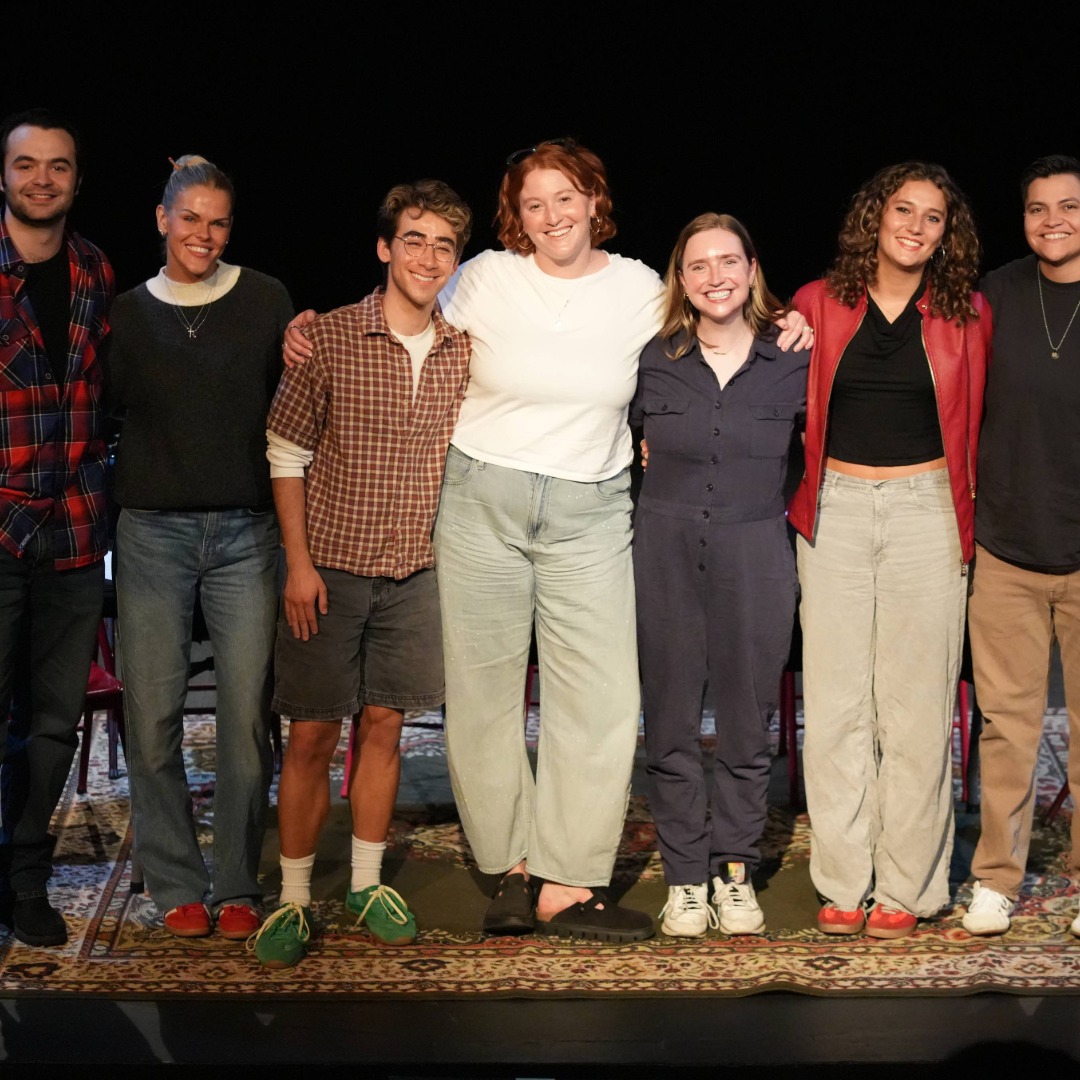
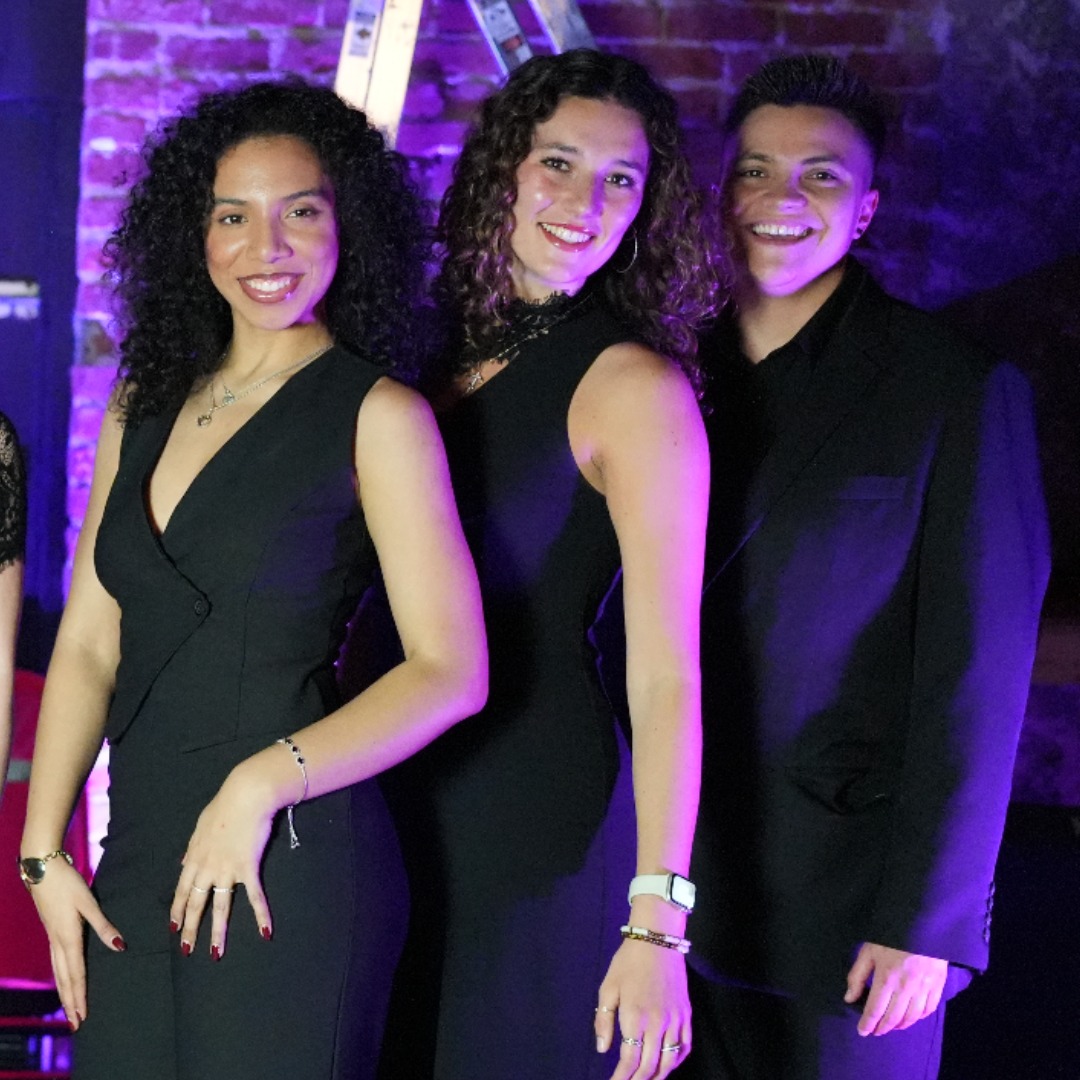
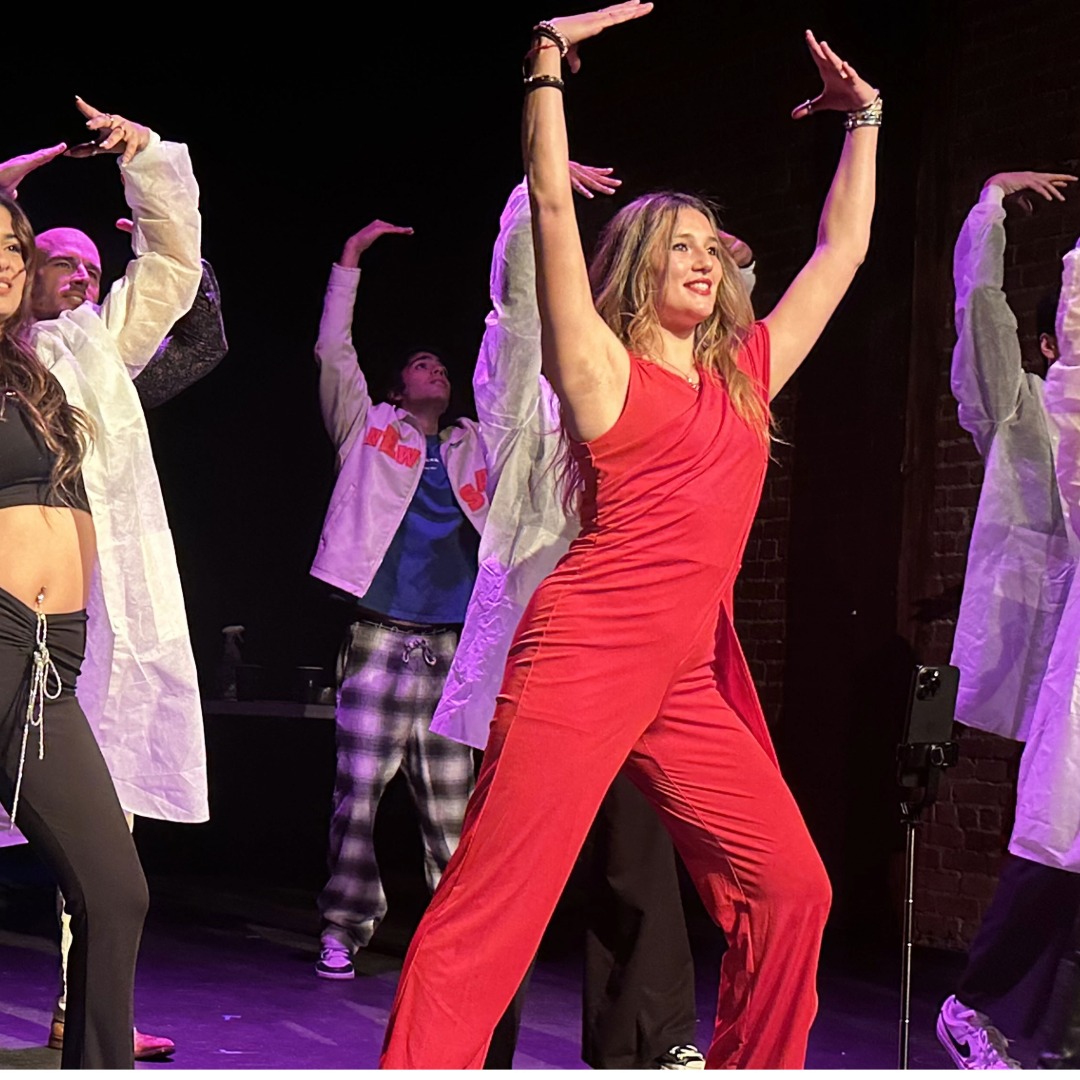
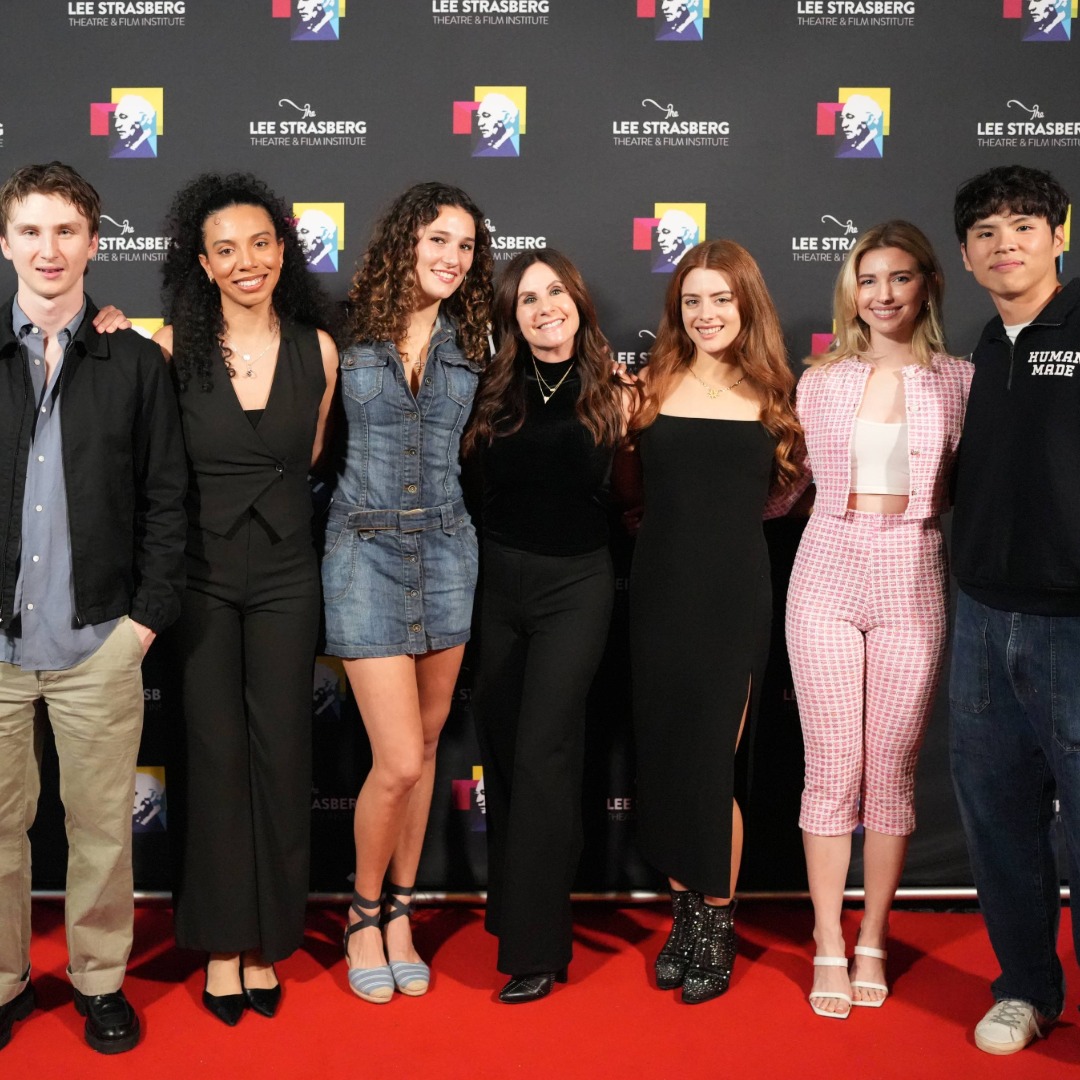
Another phenomenal opportunity was the annual Actor Showcase. Each year, a small group of students and recent alumni from both the Los Angeles and New York campuses is selected to perform for an audience of casting directors, agents, managers, producers, and other industry professionals. I was fortunate enough to be selected this year. Working closely with Dana, Carlos, David and Hillary (Marketing & Production Manager), we built a powerful evening of work that challenged us artistically and professionally. The rehearsal process was one of the steepest learning curves I have experienced. It required me to take ownership of my artistry, refine my process, and own my space in a room filled with industry professionals. It was a remarkable collaboration, and I continue to benefit from the experience today.
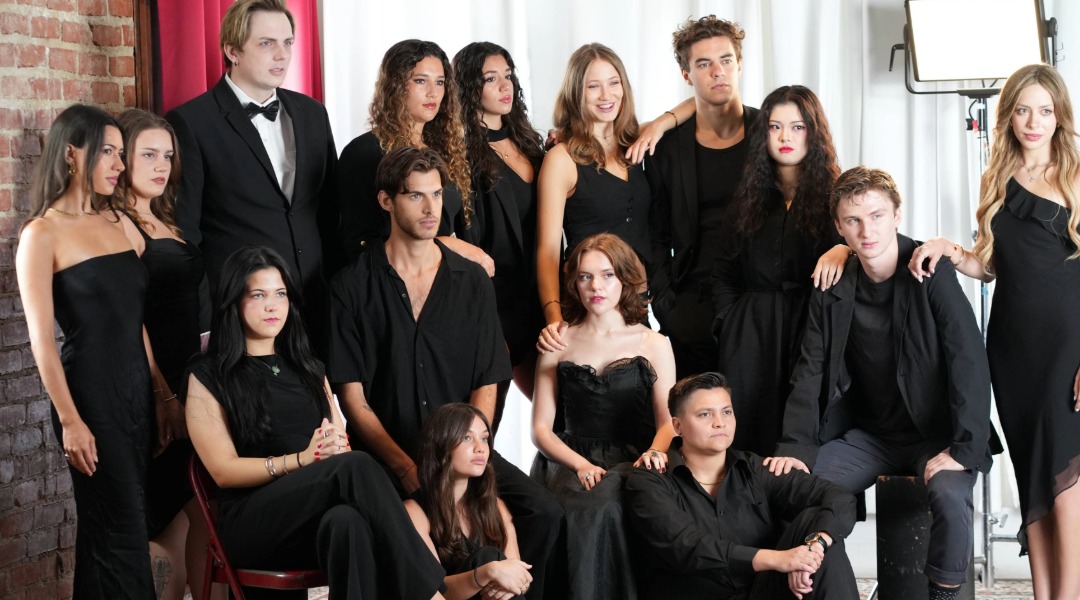
It is why I became an actor.
One thing that becomes clear very quickly in this training is that “being an actor is a lifestyle choice.” It is “a lifelong commitment.” The work extends far beyond the classroom. As Dig told us in our very first class:
Dig Wayne, LSTFI Method Acting Instructor
The concept of truly living and being present is something I work toward every day. It requires curiosity, self-awareness, and a willingness to embrace who you really are. As Carlos says, “Meet yourself where you are, not where you think you are supposed to be.”
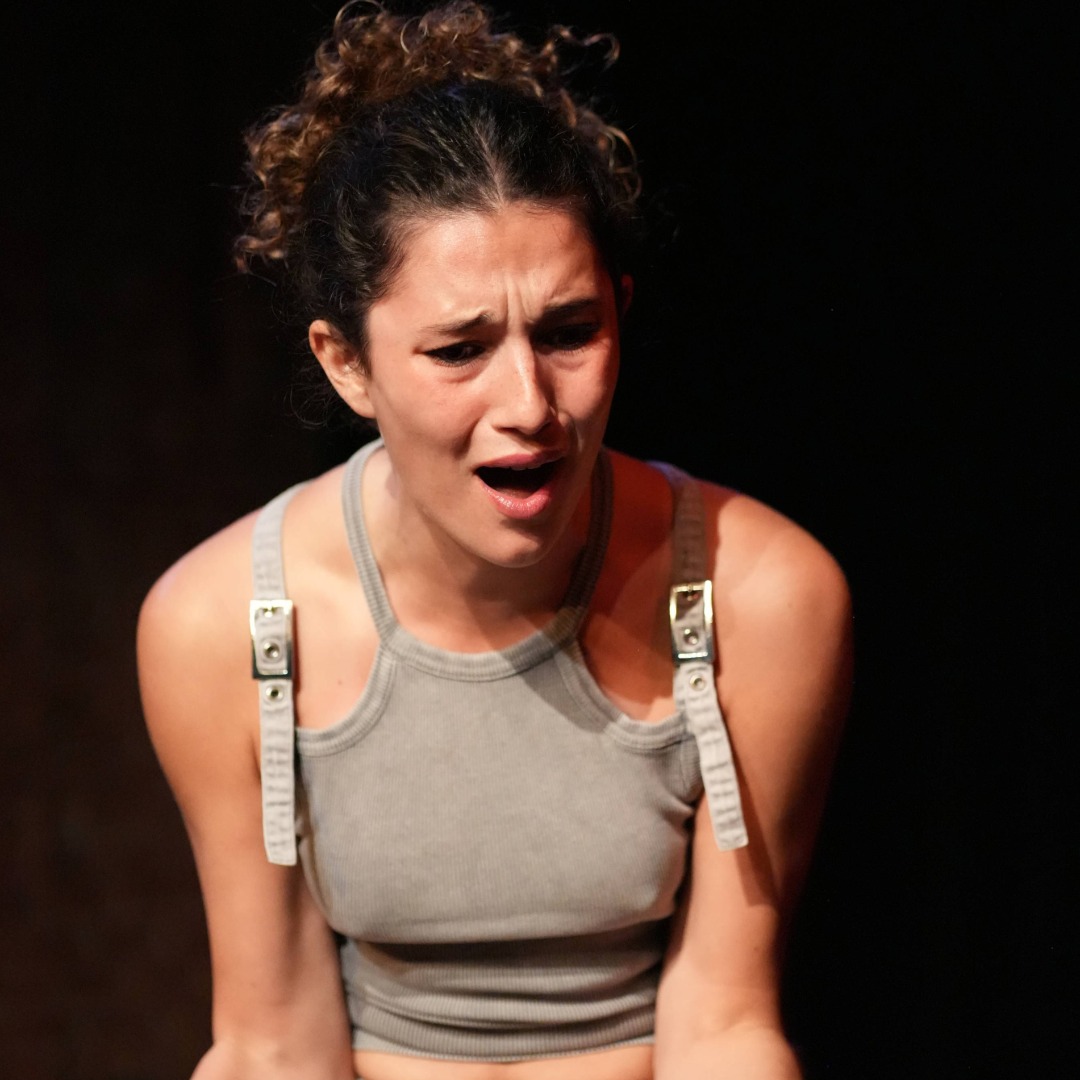
If I had to identify the area of my greatest growth as an actor, it would be exactly that: presence. Trusting that my experiences and my humanity are enough.
The training is rigorous. The preparation requires discipline, concentration, and commitment. But eventually, the work becomes about trust—about truly living and experiencing rather than performing an imitation of life. For me, that is the point of this work. It is why I became an actor.
To leave these two years with a clear process, a well-tested toolbox, and a deep understanding of how I work as an artist is an incredible gift. Combined with the training in relaxation, concentration, discipline, and sensitivity, it provides a foundation that feels unshakable. That is the acting we are training for.
The Lee Strasberg Theatre & Film Institute’s Associate Degree Program has given me a roadmap for continual growth while also teaching me to appreciate how far I have already come. As graduation approaches, I find myself filled with gratitude for the training, for my classmates, for my teachers, and for the journey itself and everything it may bring.
ABOUT THE AUTHOR
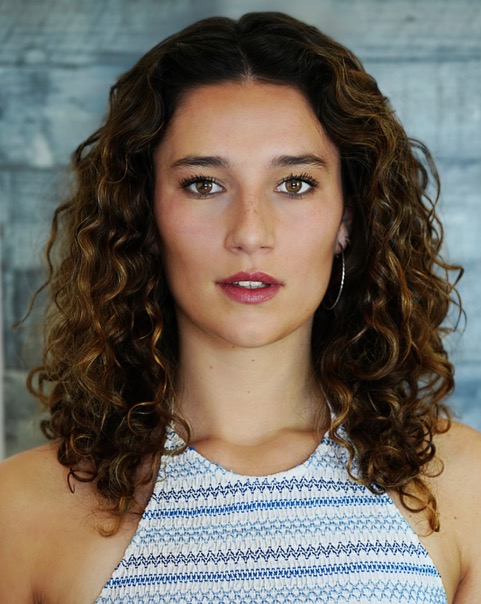
Giulia Abbondanza is an Italian actor who first found her love for the art of acting in the musical theatre world in England. Her highlights include the role of Reno Sweeney (Anything Goes) and Vivienne Kensington (Legally Blonde the Musical). She moved to Los Angeles in 2024 to pursue a film career, training at The Lee Strasberg Theatre & Film Institute and graduating with an AOS degree in Method Acting. She has been working in both stage and film in LA. Her highlights include roles in films The Roots and Maybe it’s the House Settling, stage roles in The Way of the Peaceful Warrior and The Parker Hotel, and The 2026 Lee Strasberg Actor Showcase.