
Written by Isa Barrett
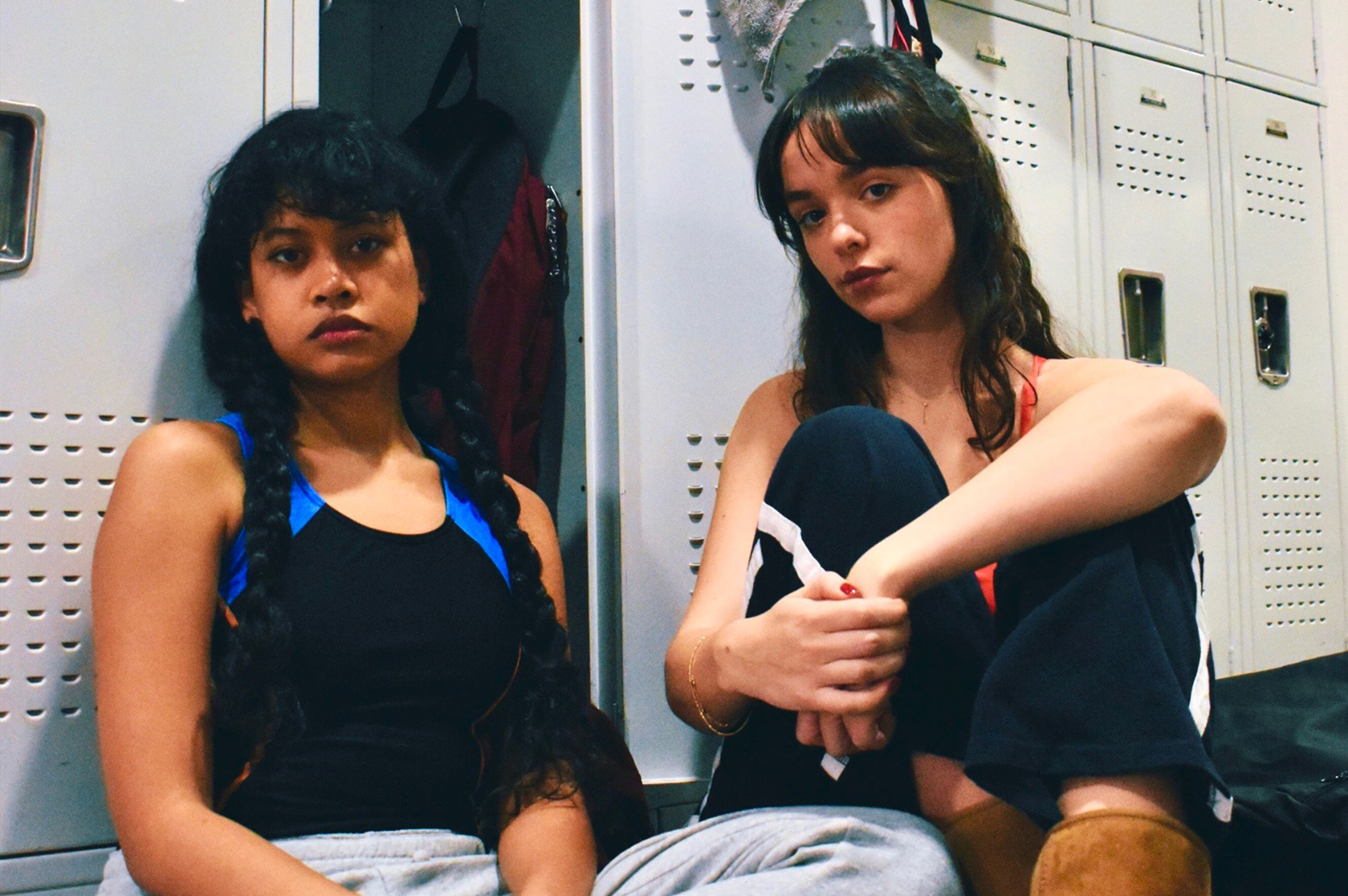
This spring, Cherubs Productions and 35k Productions will present a revival of Ruby Rae Spiegel’s Dry Land, directed by Makaio Toft. The production stars Yellowjackets’ Nuha Jes Izman as Ester and LSTFI alumna Isa Barrett as Amy, with Gabriella Anifantis and Avery Fischbach rounding out the cast.
Set in the girls’ locker room of a Florida high school swim team, Ruby Rae Spiegel’s Dry Land follows Amy and Ester, two teenage swimmers whose friendship becomes a lifeline as Amy faces an unwanted pregnancy and grapples with the impossible choice of how to stay afloat. The play premiered in 2014 Off‑Broadway at HERE Arts Center in New York City and quickly became a critics’ pick and Susan Smith Blackburn Prize finalist. Despite its critical acclaim, it hasn’t been produced in New York City in nearly a decade.
Part of what makes Dry Land so powerful, and perhaps so complicated, is how personally and politically immediate it feels, especially for young women. Revisiting it now, I’m struck by how recent the world of this play feels to me. I was a girl in a locker room not long ago. The stakes of this story aren’t abstract; they’re intimate. That proximity is part of what makes the play urgent, and part of why it may have felt difficult to revisit.
From Scene Study to Stage
In acting school, it was often hard to find roles that truly captured girlhood. Dry Land is one of the rare plays that supports young actresses, offering material that balances honesty with complexity.
Long before I thought about producing it, the play was a staple at The Lee Strasberg Theatre & Film Institute, a scene-study favorite alongside the usual go-tos: Proof, A Doll’s House, and This Is Our Youth. Watching countless actresses take on Amy and Ester, I saw how Spiegel’s silences gave them strength in their voice. No longer the ingenue or an archetype, these characters allowed young actresses to inhabit the full complexity of being a teenage girl.
As Lee Strasberg said, “The human being who acts is the human being who lives.” Watching my classmates take on Blanche in A Streetcar Named Desire or Martha in Who’s Afraid of Virginia Woolf inspired the kind of actress I hoped I might one day become, expansive and seasoned, able to hold the weight of a life fully lived. But Dry Land feels different. It does not ask me to reach decades ahead of myself. It supports the teenage girl I was and the young woman I am right now.
Something is fleeting about that alignment. Dry Land feels obvious for me at this moment, but I know that soon it will not. That narrow window, where the role and the actress meet so closely in age and experience, makes returning to this play now feel both necessary and deeply personal.

Rage, Form, and Embodiment in Dry Land
Dry Land feels so vital to me because of its honest portrayal of female rage. Rather than building toward a single explosive moment, Spiegel allows anger to move in cycles, simmering, receding, resurfacing, and reshaping itself over time. This structure reflects how anger actually lives in the body, especially for young women who are often expected to contain, manage, or silence their feelings. Anger is rarely considered attractive on young women. It is discouraged, dismissed, or reframed as immaturity. Dry Land refuses that impulse and instead allows its characters to be sharp, messy, and unapologetic in their fury.
This cyclical, often silenced approach to anger appears across much of contemporary feminist drama, particularly in the work of playwrights like Annie Baker, Clare Barron, and Ruby Rae Spiegel. In these plays, anger rarely announces itself outright. Instead, it shapes relationships, silences, and power dynamics, existing as much in what is withheld as in what is spoken.
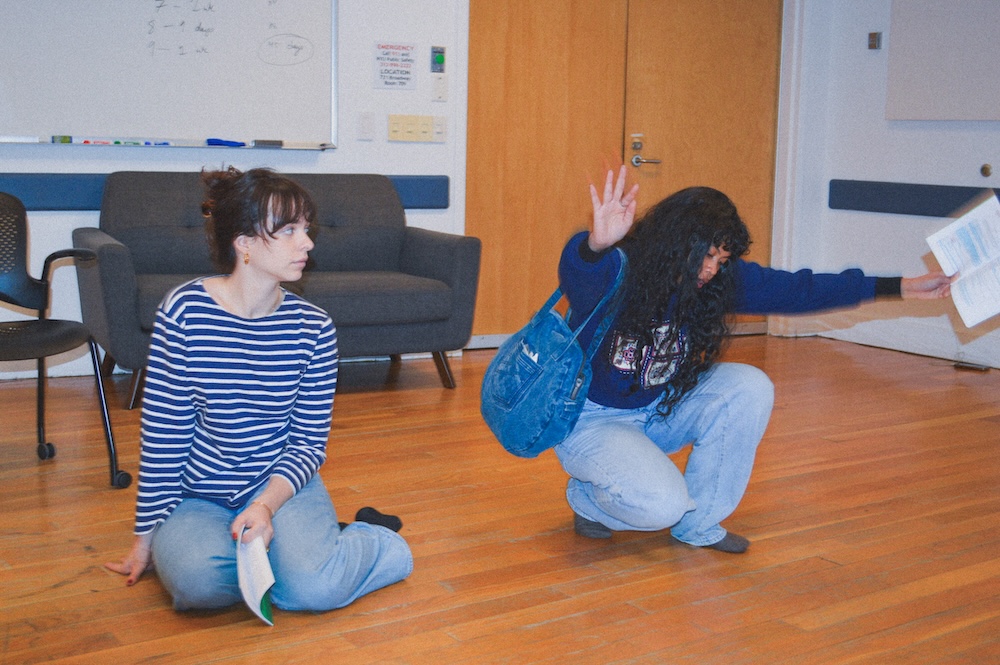
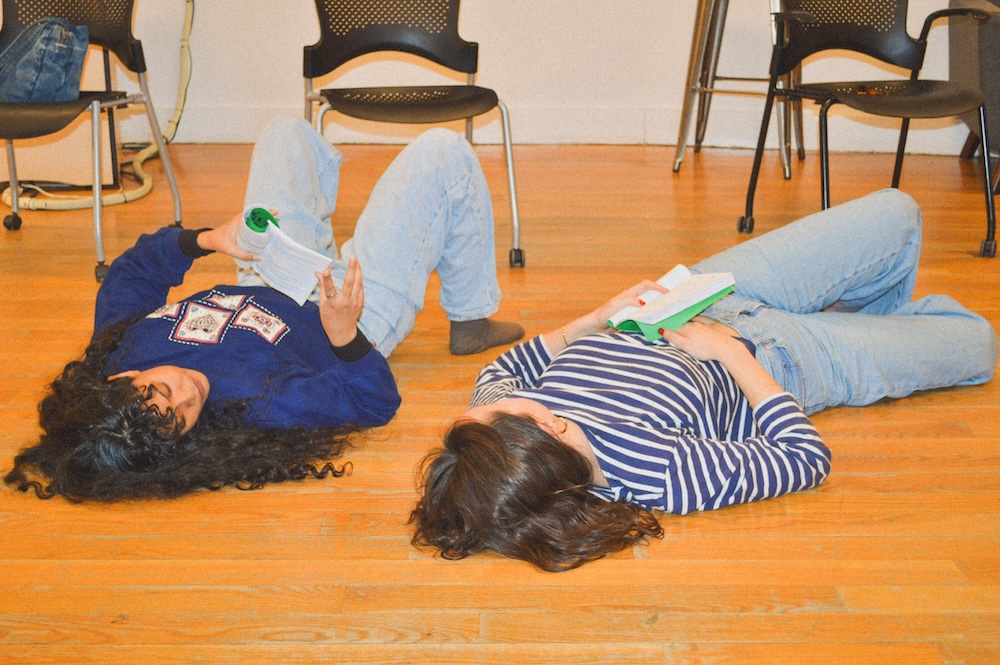
Returning to Dry Land as both producer and actress has made these ideas feel newly embodied. Amy’s anger arrives in waves, present in what she chooses to reveal and what she withholds. My Strasberg training has helped me locate this interior life physically, allowing rage to live as tension in the body, restraint in the voice, and resistance in stillness. What once existed as theory now lives in rehearsal as practice.
Method in Practice
When training at LSTFI, it can be confusing at times to know how all the techniques you learn will come together. What I have found in Dry Land is that there are key moments in the play where using sensory work allows me to maintain consistency in each performance.
As Ruby Rae Spiegel describes, Dry Land is rooted in a “bodily crisis,” where the body is exchanged and negotiated between characters. Amy’s body is never neutral. Even in stillness, it is under strain. Method Acting allows me to inhabit that tension rather than indicate it, and my voice and physical training then help keep that work engaged.
Working with former LSTFI teachers during rehearsal has been especially meaningful. It has been beautiful to feel the tie between my training and professional work. They reminded me of a lesson that has stayed with me: there is a big difference between training and performing. In training, the work is about you and how you feel. In performance, it is about how you make the audience feel. This advice continues to guide me in my practice today, shaping how I approach my work as an actress, build teams, and produce projects, keeping audience impact at the center of everything.
Building the Team
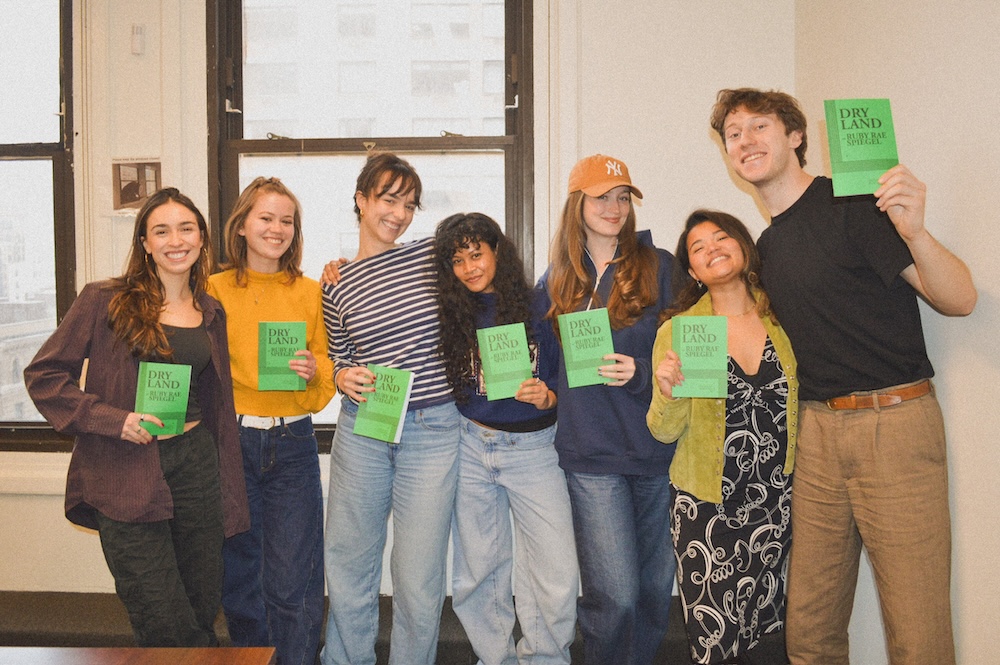
This production has been shaped by an exceptionally strong, generous, and creative team of collaborators who make the work feel both grounded and fun.
Working with our director, Makaio Toft, has been an absolute joy. A true go-getter who has produced and directed her own work at IRT (HEAT and WAKE), Makaio brings a distinct artistic voice, deep character insight, and a rehearsal process that gives actors real freedom to play.
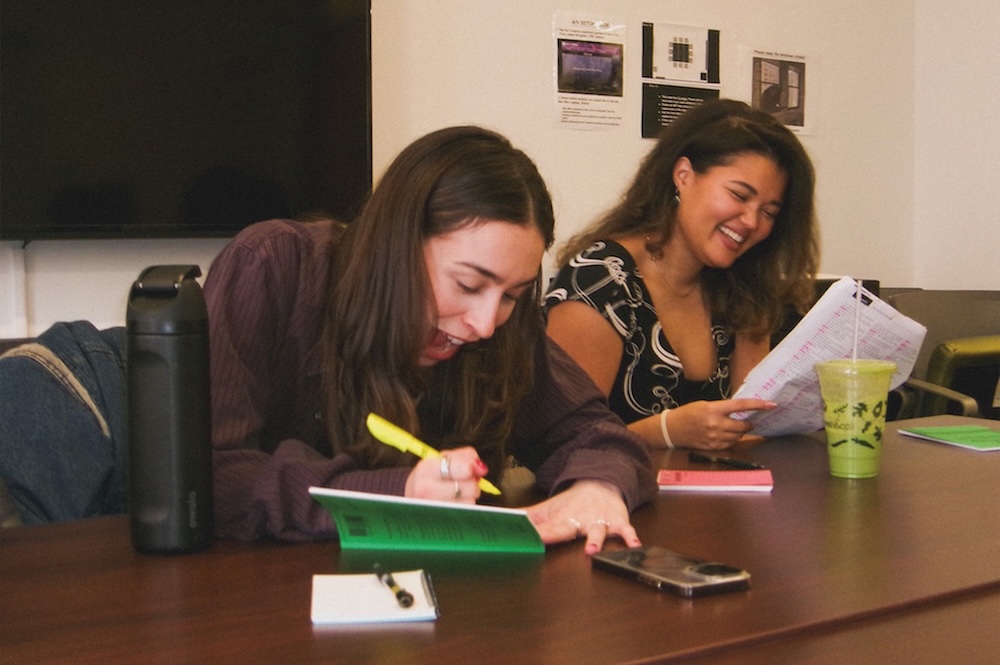
From our very first table read, it was clear that Nuha Jes Izman had an innate understanding of Ester. From Yellowjackets to her new film RUN AMOK, which premiered at this month at Sundance, Nuha is a rare talent and a true star.
Our ensemble has only strengthened this process: Avery Fischbach (Victor) and I trained together in Amsterdam, bringing a shared history into the room, and Gabriella Antifas (Reba) delivered the most electrifying Zoom audition Makaio and I have ever seen.
Together, this team has created a process defined by mutual care, making the journey as powerful as the final product.
Why This Story Matters Now
Proceeds from this production benefit the New York Abortion Access Fund (NYAAF), New York State’s only abortion fund, which provides financial assistance, practical support, and case management to people seeking abortion care in or traveling to New York. Through its volunteer-run helpline, NYAAF helps callers navigate costs, travel, and logistical barriers that often make accessing care difficult or impossible.
Performing Dry Land in today’s political climate feels urgent and necessary. Spiegel’s work resists simplified narratives around abortion and instead centers complexity, risk, and choice. By focusing on intimacy, coercion, and the politics of the body, the play challenges audiences to see beyond familiar tropes and empathize with experiences that are often misunderstood or erased. In a moment when access to reproductive healthcare remains under threat, telling this story and supporting NYAAF feels not only relevant but essential.
Get Tickets
Performances of Dry Land run March 13, 14, 20, and 21 at University Settlement in New York City. Opening night will include an after-party and raffle, and the March 14th matinee will feature a post-show panel with NYAAF.