Written by Giulia Abbondanza
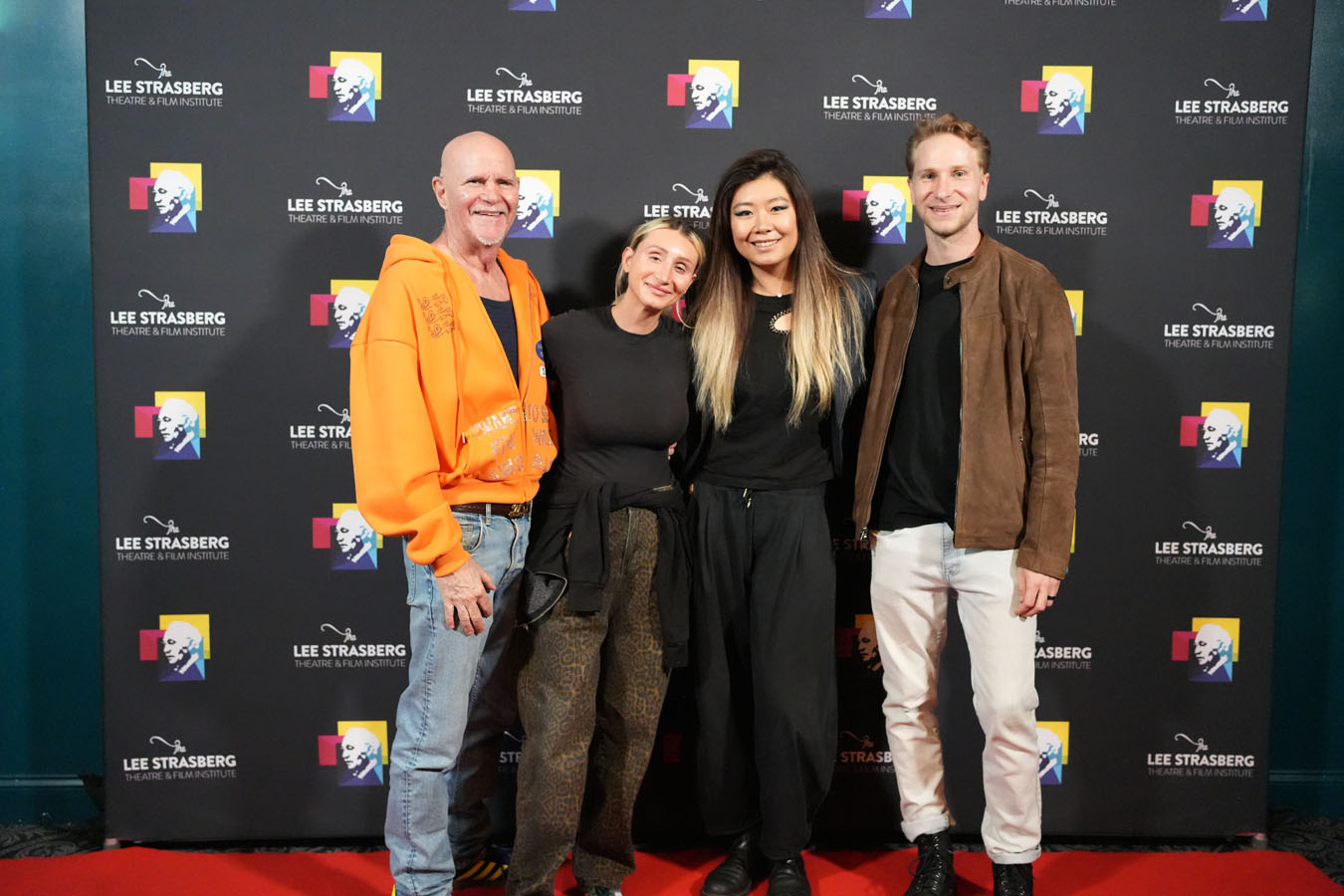
Vertical series casting opportunities are becoming more and more prevalent, bringing both opportunity and skepticism with their growing popularity. Last week at Lee Strasberg Theatre & Film Institute in Los Angeles, students got a clearer look at what’s actually behind the microdrama boom, the vertical format, and whether it’s all worth their attention.
LSTFI Head of Film, Sheldon Larry, moderated the panel discussion in the Marilyn Monroe Theatre with seasoned vertical series producers, directors, and cinematographers. The conversation aimed to move past the outrageous, tabloid-esque show titles—some standouts from the panel’s credits were “Secretly Pregnant with My Boss’s Baby” and “Christmas With a Country Bad Boy”—and take a more grounded look at vertical storytelling.


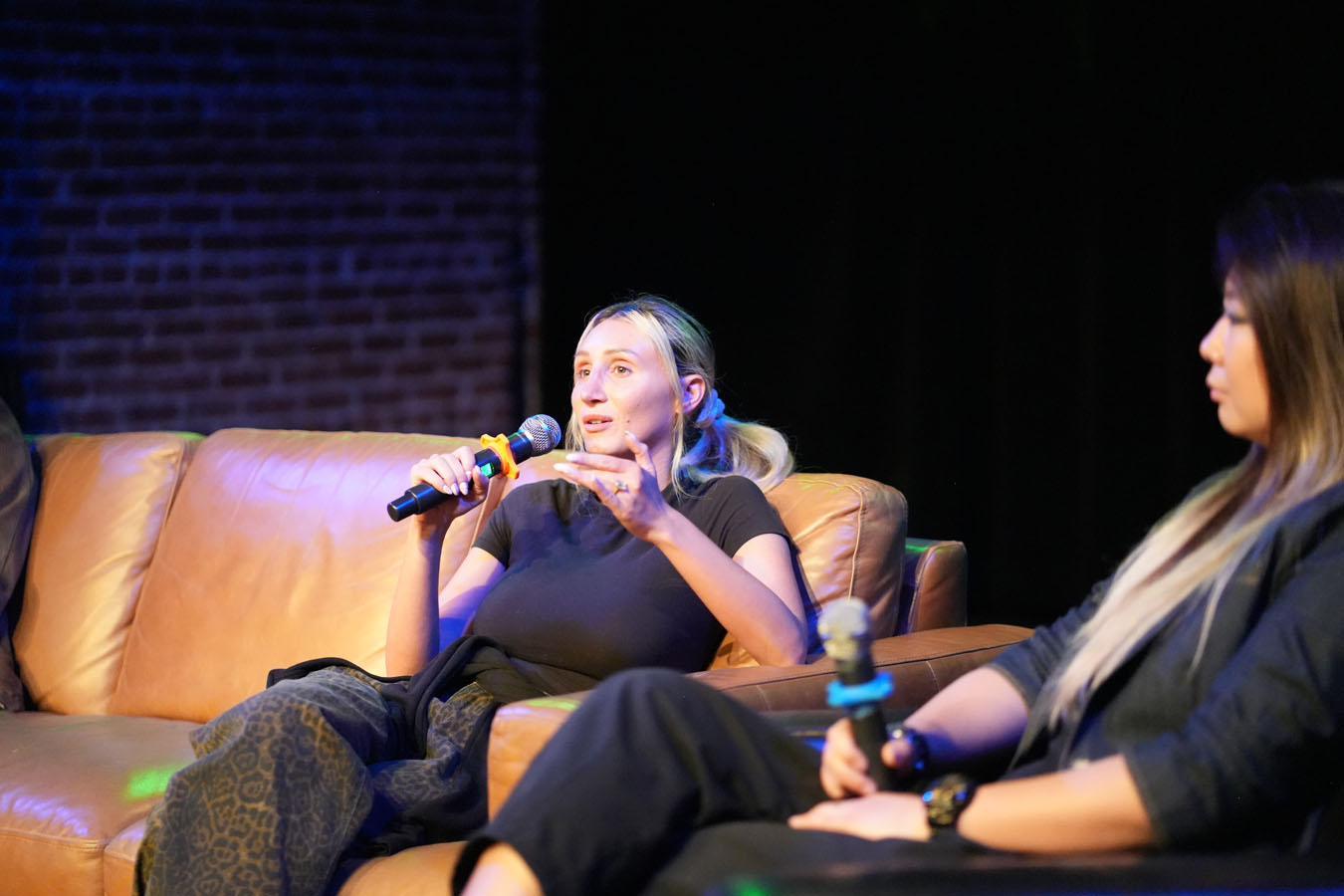
Starting their own production companies.
Panel guests Eris Zhao, Craig Lief, and Josie Andrews spoke about their entry into the vertical space. Eris and Craig founded their film production company, Bad Larry Productions in 2023 with Josie also starting her own production company, Dumm Blonde. Their companies’ high-quality production value eventually caught the eye of notable platforms like Dramabox and ReelShort.
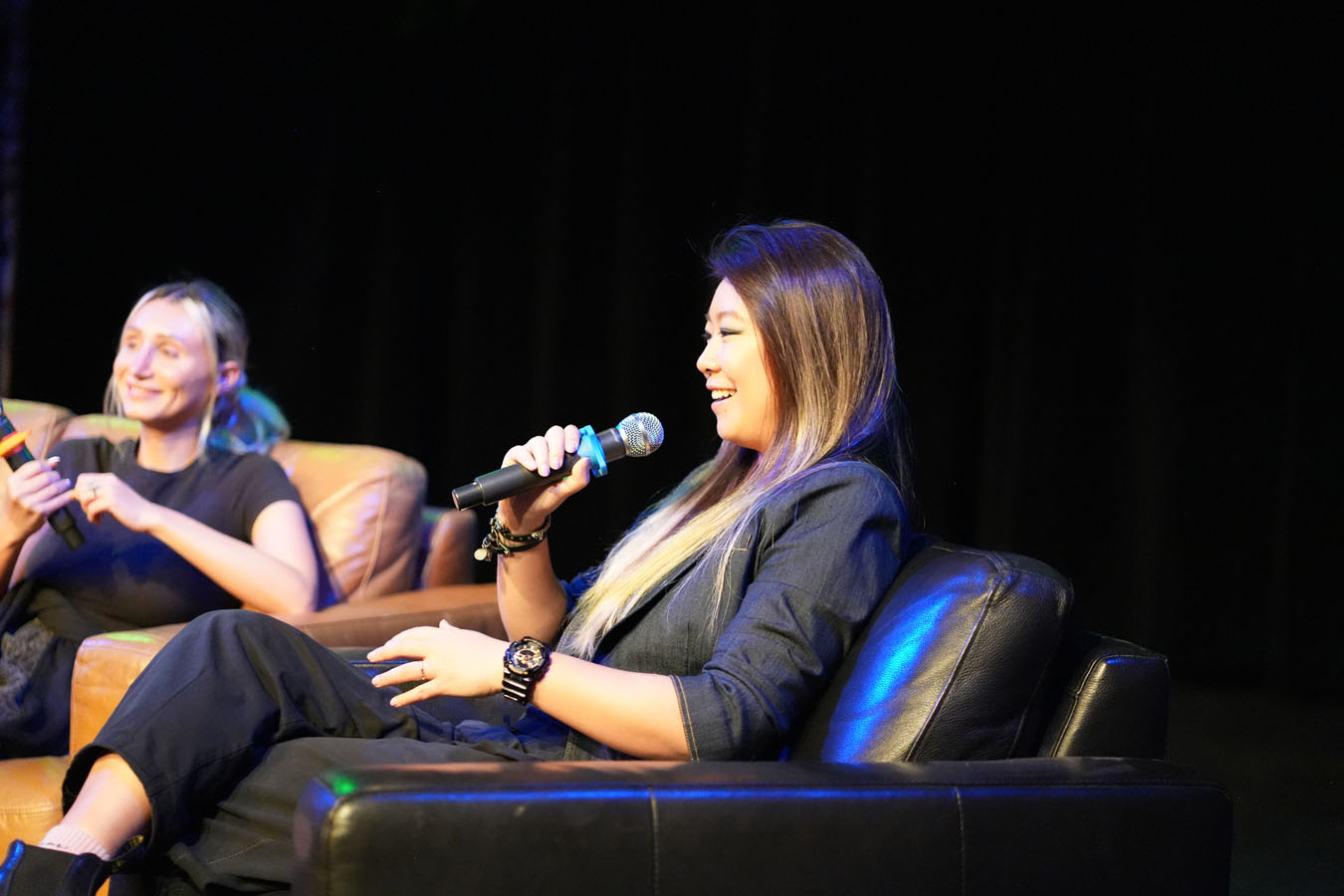
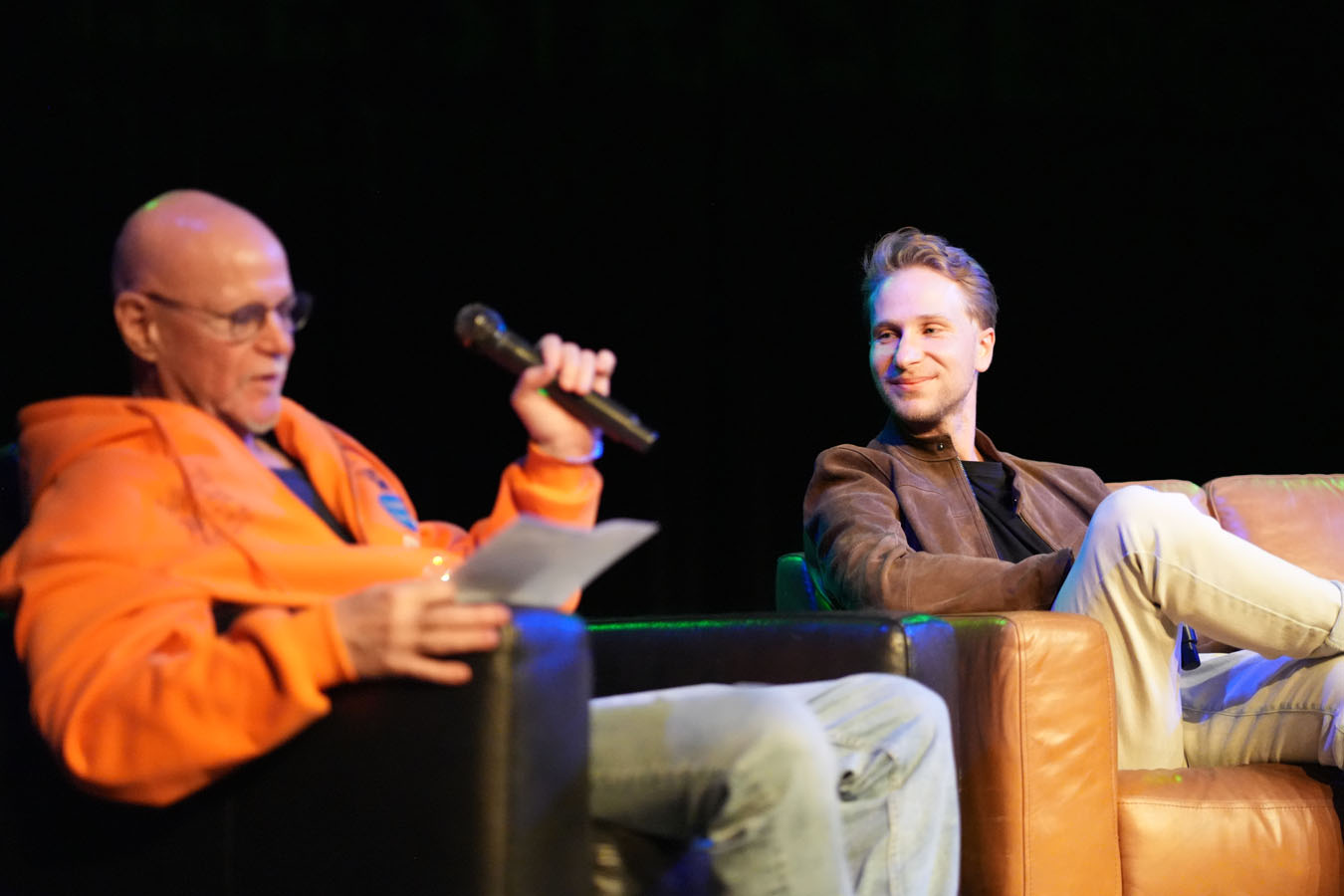
“If you can handle verticals, you can handle almost anything on set.”
A key focus of the discussion was the pace and pressure of vertical production. Compared to traditional film and television, the turnaround of the product is fast— extremely fast. The panel described shooting schedules that allow for as few as two takes per setup and days that can cover upward of 15 script pages. It’s a volume-driven model that prioritizes efficiency.
For actors, that environment presents both challenges and opportunities. The material itself can lean heightened or melodramatic, requiring a level of commitment that doesn’t leave much room for hesitation. At the same time, the speed of production means constant repetition, something Josie framed as a practical benefit to any actor trying to get their legs in on-camera work. Having just come off working on a feature film, Josie noted that while every set has its difficulties, vertical productions demand a different kind of endurance than traditional long-form projects.
Craig put it bluntly, “If you can handle verticals, you can handle almost anything on set.”
Where do verticals fit into our industry and where are they headed?
The takeaway wasn’t that vertical storytelling is the only path for all working actors, but that it’s a growing corner of our industry—one that could offer real, valuable experience, especially for actors early in their careers. As Josie summed it up, the format can be a space to “get reps in,” test instincts, and learn how to work quickly within a highly technical framework (literally staying in the vertical frame).
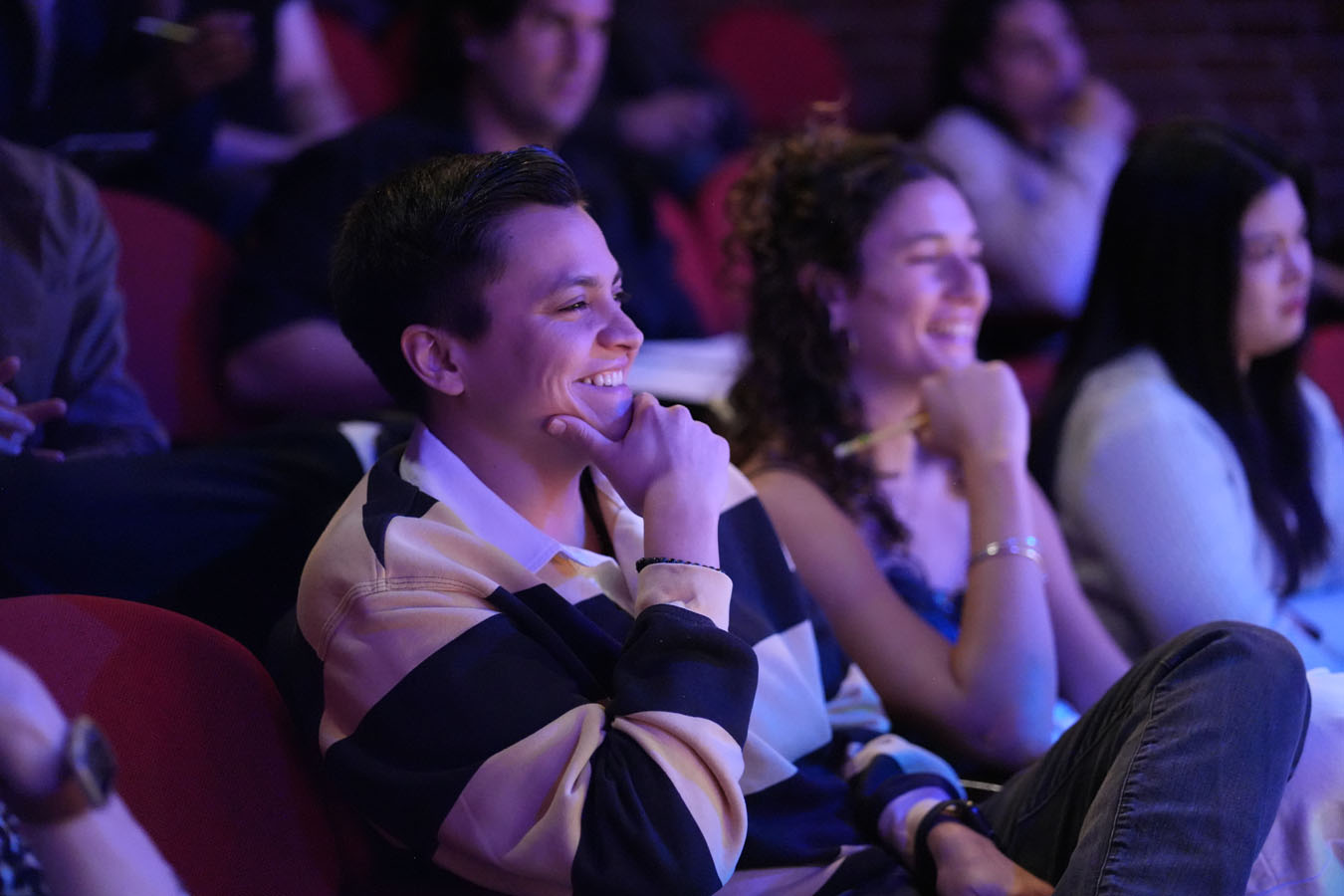
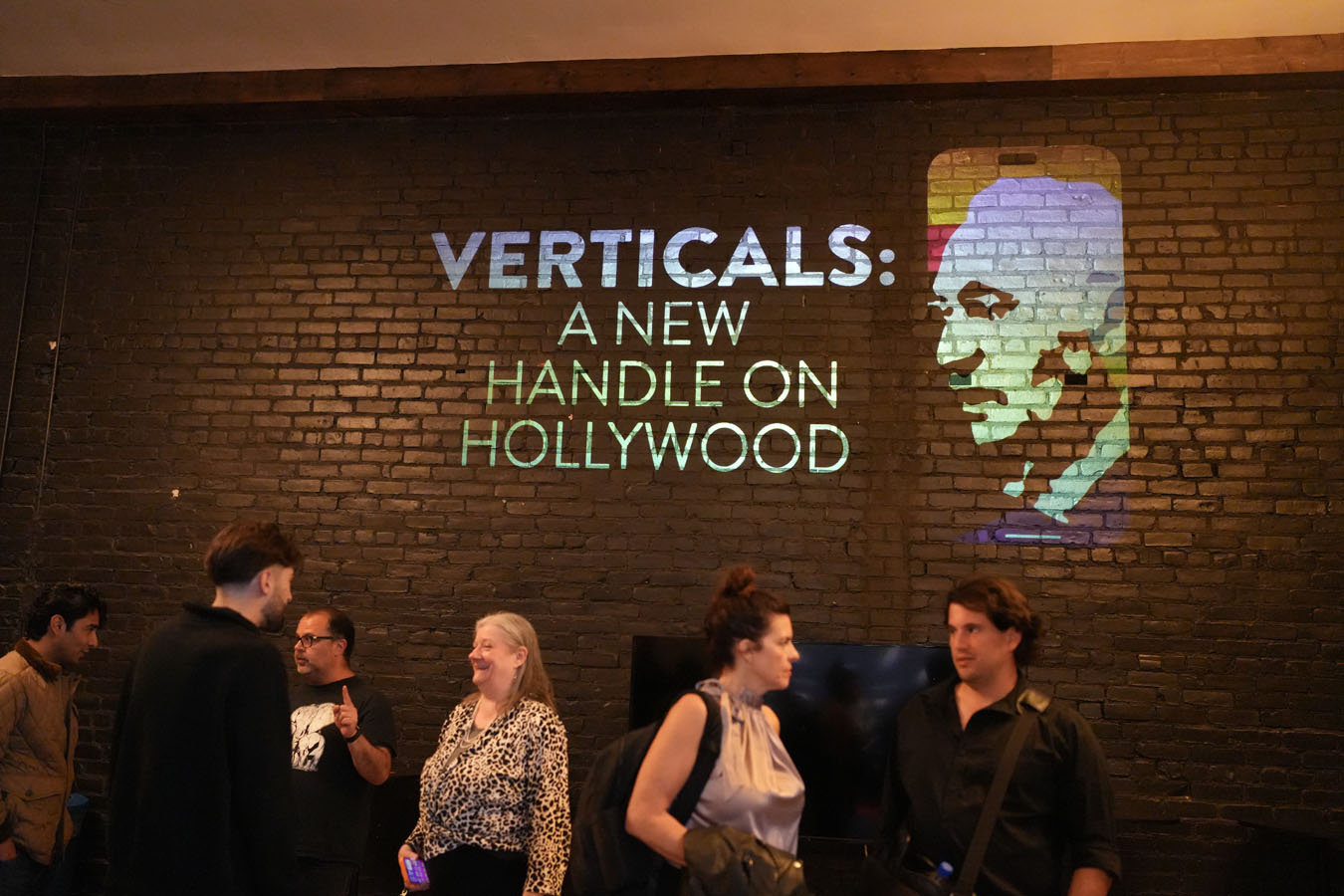
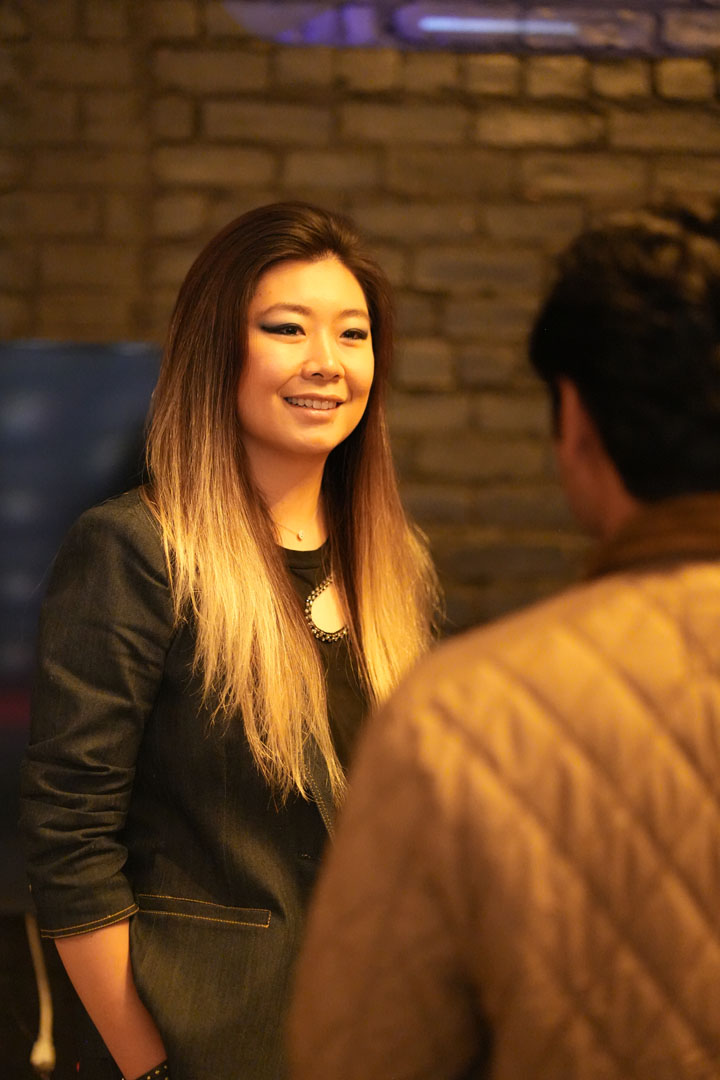
For students in The Marilyn, the conversation wasn’t about selling a trend, it was about understanding the conditions of the work, and deciding where it might fit into their own path. Students left the theatre with much to be discussed in the lobby, and a better handle on the significance of vertical storytelling in the entertainment industry.
For more information about upcoming educational and entertainment events at The Lee Strasberg Institute check out our Los Angeles events calendar!